This bill authorizes the establishment and maintenance of memorials at Antietam and Manassas battlefields honoring Wisconsin infantry soldiers from the Civil War.
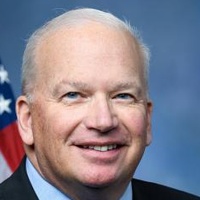
Scott Fitzgerald
Representative
WI-5
This bill authorizes the establishment of two memorials to honor Wisconsin infantry soldiers who fought in the Civil War battles of Antietam and the Second Battle of Bull Run. The memorials will be placed at the respective National Park Service battlefields. All design, construction, and installation costs must be covered by non-federal funding.
Wisconsin Civil War Memorials Authorized for Antietam and Manassas National Battlefields
This legislation clears the path for two new monuments dedicated to the Wisconsin infantry regiments that fought in some of the Civil War’s most pivotal moments. Specifically, the bill authorizes the Secretary of the Interior to establish memorials at Antietam National Battlefield—honoring the 2nd, 3rd, 5th, 6th, and 7th Wisconsin Infantry—and at Manassas National Battlefield Park, recognizing the 2nd, 6th, and 7th regiments. While the federal government is providing the land and the ultimate stamp of approval, the bill makes it clear that the project is a 'bring your own budget' affair: no federal funds can be used for the design, site preparation, or installation of these monuments.
The Logistics of Legacy
To get these memorials from the drawing board to the battlefield, the Secretary of the Interior will hand-pick the group responsible for the project. This group won't have a blank check for creativity; the Secretary must approve the size, design, and every word of the inscriptions to ensure they fit the vibe of the national parks. There is also a strict accountability measure: the authorized group has to file an annual report on their fundraising progress until the statues are actually in the ground. If they get a little too loose with the facts—like implying they are part of the federal government while asking for donations—the Secretary has the power to pull their permit and shut the project down.
Keeping Up Appearances
Once the memorials are built and the ribbons are cut, the National Park Service takes over the keys. Under the bill, the Secretary of the Interior assumes responsibility for long-term maintenance. To make sure these sites don't fall into disrepair, the bill allows the government to accept private contributions for upkeep. These funds will be tucked away in a separate account with the National Park Foundation, specifically earmarked for these monuments. For the average visitor or history buff, this means more inclusive storytelling on the battlefield without a corresponding hike in taxes or park fees, as the financial heavy lifting for the construction remains entirely in private hands.