This bill directs Medicare's Quality Improvement Organizations to use $50 million to help hospitals and other specified facilities prepare for and respond to extreme weather events.
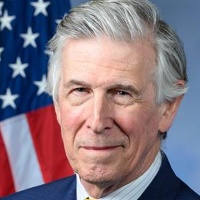
Donald Beyer
Representative
VA-8
The Protecting Hospitals from Disaster Act of 2026 directs Medicare's Quality Improvement Organizations (QIOs) to assist hospitals and other key healthcare facilities in preparing for and responding to extreme weather events. This new mandate is funded by a $50 million transfer from the Federal Hospital Insurance Trust Fund for fiscal year 2026. The goal is to reduce physical and chronic risks to these essential providers and their patients.
Protecting Hospitals from Disaster Act Allocates $50 Million to Shield Medical Facilities from Extreme Weather Risks by 2026.
The Protecting Hospitals from Disaster Act of 2026 aims to fortify the nation’s healthcare infrastructure against the increasing unpredictability of extreme weather. By amending the Social Security Act, the bill tasks Medicare's Quality Improvement Organizations (QIOs) with a new mandate: providing direct technical and operational support to facility-based providers. To kickstart this initiative, the bill authorizes a one-time transfer of $50,000,000 from the Federal Hospital Insurance Trust Fund into the Centers for Medicare & Medicaid Services (CMS) management account for fiscal year 2026. These funds are designated to help hospitals and clinics identify physical risks—like flood vulnerabilities or structural weaknesses—and chronic risks that could jeopardize patient care during a crisis.
A Safety Net for Local Care
Under Section 2 of the bill, the definition of a "facility-based provider" is broad, ensuring that support reaches beyond just big-city medical centers. It specifically includes critical access hospitals and rural emergency hospitals, which are often the only lifeline for small-town residents. For a family living in a remote area, this means their local ER is more likely to have the backup power or emergency protocols needed to stay open during a blizzard or hurricane. By focusing on preparation rather than just recovery, the bill seeks to prevent the kind of forced evacuations and service interruptions that can turn a natural disaster into a public health catastrophe.
Strengthening the Healthcare Backbone
The scope of this legislation extends to long-term care and specialized facilities, including skilled nursing homes and psychiatric hospitals. These institutions house some of the most vulnerable populations who cannot simply be moved in a moment’s notice. For staff working in these facilities, the QIO support mandated in Section 1154(a) could mean better training and resources to manage patient safety when the grid goes down. By integrating disaster resilience into the existing Medicare quality improvement framework, the bill creates a structured way for facilities to upgrade their emergency playbooks without having to navigate the process entirely on their own.
Long-Term Resilience and Funding
Because the $50 million allocation is marked to remain available until spent, the bill allows for a sustained rollout of these safety improvements. This isn't a one-off grant but a funded mandate for QIOs to become long-term partners in disaster readiness. For the average taxpayer or healthcare worker, the goal is a more resilient system where a heavy storm doesn't automatically mean canceled surgeries or compromised care. By using the Federal Hospital Insurance Trust Fund, the bill leverages existing healthcare dollars to protect the very buildings where that care is delivered, aiming to reduce the long-term costs associated with disaster-related facility damage.