This bill mandates federal agencies to coordinate efforts to prevent, control, and eradicate the New World screwworm parasite on public lands.
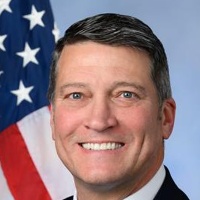
Ronny Jackson
Representative
TX-13
The SAFE CATTLE Act mandates federal agencies to formally cooperate on preventing, controlling, and eradicating the New World screwworm parasite on federal lands. This requires the Departments of Agriculture and the Interior to establish joint surveillance, response, and eradication protocols. The agencies must also report annually to Congress on their coordination efforts and progress until the parasite is contained outside the U.S.
SAFE CATTLE Act Targets Parasite Outbreaks: New Federal Coordination Plan to Protect Livestock and Food Prices
The SAFE CATTLE Act is a direct move to shore up the nation’s biological defenses by forcing federal agencies to get on the same page regarding the New World screwworm. This nasty parasite doesn't just bother cows; it can devastate entire herds and send shockwaves through the grocery store meat aisle. The bill mandates that the Department of Agriculture and the Department of the Interior stop working in silos and create a unified battle plan within 180 days to monitor, contain, and wipe out this threat on federal lands managed by the National Park Service, Forest Service, and BLM.
Squashing the Bug Before It Hits the Barn
The heart of this bill is about proactive surveillance. By requiring joint monitoring protocols between agencies, the goal is to catch an infestation in wildlife—like deer on federal land—before it jumps to the local rancher’s cattle. For a livestock producer, an outbreak isn't just a health crisis; it’s a financial catastrophe that can lead to strict quarantines. Section 2 of the bill specifically requires the government to develop "business continuity" plans. This means if you’re running a ranch near federal land that isn't infected, the government has to use science-based data to keep your operations moving rather than just shutting down the entire region out of panic.
Accountability and the Long Game
This isn't a one-and-done memo. The bill sets up a rigorous reporting structure where federal leaders must answer to Congress every single year until the screwworm is pushed back south of the Darien Gap in Panama. These reports must include progress on surveillance and any actual incidents of infestation. While the bill is clear on the 'who' and the 'what,' there is some middle-of-the-road vagueness regarding exactly what these "science-based approaches" look like in practice. For the average person, this bill acts as a behind-the-scenes insurance policy for food security, aiming to prevent the kind of supply chain shocks that make a Saturday night steak feel like a luxury purchase.