This act establishes a federal grant program to help states fund and expand mobile vaccination units for improving immunization delivery.
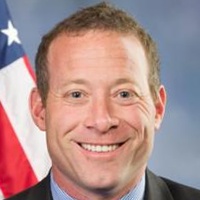
Josh Gottheimer
Representative
NJ-5
This act establishes a demonstration program to award federal grants to states for creating or expanding mobile vaccination units. These units aim to improve the delivery of recommended immunizations for all age groups. States receiving funds must use them for unit acquisition, equipment, and vaccine costs. The Secretary of HHS will report on the program's effectiveness by late 2027.
FIGHT Act of 2026 Proposes Mobile Vaccination Units to Reach Underserved Communities Starting in 2027
The FIGHT Act of 2026 is essentially a mobile health initiative designed to bring the doctor’s office to your driveway. Under Section 2, the federal government would set up a demonstration program to hand out grants to states specifically for mobile vaccination units. These are essentially clinics on wheels that would travel to neighborhoods to provide recommended immunizations for everyone from toddlers to seniors. The bill authorizes the necessary funding for the 2027 fiscal year, focusing on making it easier for people to stay up to date on their shots without having to take a half-day off work to navigate a traditional clinic.
Clinics on Wheels
States that win these grants are required to use the cash for the nuts and bolts of the operation: buying the vehicles, specialized medical equipment, and the vaccines themselves. For a parent working two jobs or a construction worker in a rural area where the nearest pharmacy is a 40-minute drive, this could mean the difference between getting a flu shot or skipping it. By funding the 'expansion' and 'establishment' of these units, the bill aims to bridge the gap for people who live in 'healthcare deserts' or simply don't have the reliable transportation needed to get to a standard medical facility.
The Data Check-In
This isn't an open-ended tab. The Secretary of Health and Human Services is on the hook to deliver a report to Congress by September 30, 2027, detailing exactly how effective these mobile units have been. This report will decide if the program gets the green light to go nationwide or if it hits the brakes. Because the bill has a 'medium' level of vagueness regarding the specific application requirements for states, the rollout might look different depending on where you live. Some states might focus on urban centers with high density, while others might target remote mountain towns, depending on what they tell the Secretary in their grant applications.