This Act establishes U.S. policy to pressure the Nigerian government to end systemic religious persecution, impose sanctions on perpetrators, and report annually on progress toward protecting vulnerable religious minorities.
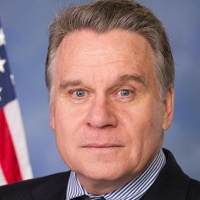
Christopher "Chris" Smith
Representative
NJ-4
The Nigeria Religious Freedom and Accountability Act of 2026 addresses systemic religious persecution in Nigeria, particularly against Christians, by extremist groups and certain militias. The bill outlines a strong U.S. policy to pressure the Nigerian government to end impunity, protect religious minorities, and repeal blasphemy laws. It mandates targeted sanctions against perpetrators and requires regular reporting on U.S. efforts to combat these atrocities.
U.S. Proposes Nigeria Religious Freedom Act: Sanctions and Terrorist Designations Aimed at Ending Christian Persecution
This bill is a heavy-hitting response to what Congress describes as a decade-long crisis of religious violence in Nigeria. It formally recognizes the systematic killing, kidnapping, and displacement of Christians—estimating that up to 125,000 have been martyred since 2009. The legislation doesn't just offer sympathy; it sets the stage for the U.S. to treat specific Fulani-ethnic militias as Foreign Terrorist Organizations (FTOs), putting them in the same legal category as groups like ISIS or Boko Haram. By triggering the International Religious Freedom Act, the bill pushes for Nigeria to be labeled a 'Country of Particular Concern,' a move that opens the door for aggressive diplomatic pressure and financial sanctions.
Drawing a Line in the Sand
The bill identifies a massive gap between the Nigerian government’s claims and the reality on the ground. While officials in Nigeria often deny that these attacks are religiously motivated, this Act points directly to the 19,000 churches destroyed and the 72% of global Christian martyrs located in Nigeria as proof of a targeted campaign. For a local farmer or a village priest in Nigeria's Middle Belt, this bill is intended to be a lifeline. It calls for the U.S. to provide technical support for disarming militias and demands the repeal of blasphemy laws that currently carry the death penalty in 12 northern states. By citing the case of people like Yahaya Sharif-Aminu, who has been on death row for song lyrics, the bill connects high-level policy to the literal life-and-death stakes for individuals.
The Price of Inaction
If passed, the U.S. won't just be sending strongly worded letters. The Act suggests conditioning foreign aid and security cooperation on whether Nigeria actually starts protecting its citizens. This is where things get real for the Nigerian government: the bill specifically names groups like the Miyetti Allah Cattle Breeders Association and former governors for potential asset freezes and visa bans under the Global Magnitsky Act. It also addresses a modern twist on conflict—illegal Chinese mining operations reportedly paying protection money to these militias. By requiring the Secretary of State to report back every 90 days, the bill ensures that 'business as usual' isn't an option if the violence continues.
Balancing the Scales
While the goal is to stop massacres, the bill carries some practical risks. Conditioning security aid is a double-edged sword; if the U.S. pulls back support, it could inadvertently create a power vacuum that extremist groups are all too happy to fill. There’s also the challenge of 'Vague Authority' in how the U.S. decides which specific individuals to sanction. For the average person, the success of this bill depends on whether the Nigerian government sees these potential financial and diplomatic losses as a bigger threat than the internal politics they’ve been navigating for years. It’s a high-stakes attempt to use American economic muscle to force a sovereign nation to protect its most vulnerable religious communities.