The CLEAN Act denies sex offenders eligibility for the Premium Tax Credit for health insurance and makes them ineligible for federally funded Medicaid assistance.
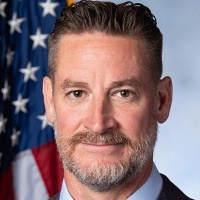
W. Steube
Representative
FL-17
The CLEAN Act proposes to make individuals designated as sex offenders ineligible for the refundable tax credit used to purchase health insurance through the Marketplace. Additionally, the bill would prohibit the use of federal Medicaid funds for medical assistance provided to sex offenders, while allowing states the option to withhold coverage.
CLEAN Act Bars Sex Offenders from Medicaid and Health Insurance Tax Credits Effective Immediately
The Criminals Loss of Eligibility and Assistance Networks (CLEAN) Act introduces a significant shift in how federal healthcare assistance is distributed by making individuals convicted of sex offenses ineligible for two major financial supports: the Premium Tax Credit and Medicaid. Specifically, Section 2 of the bill amends the Internal Revenue Code to deny the refundable tax credit used by millions to lower their monthly health insurance premiums on the Marketplace. If an individual is classified as a sex offender as of the last day of the tax year, they lose this subsidy entirely, regardless of their income level. This means a person who previously relied on these credits to afford a private plan could see their monthly insurance bill jump from a double-digit payment to several hundred dollars overnight.
The Healthcare Safety Net Snapped
Beyond private insurance subsidies, the bill takes a direct aim at the public safety net. Section 3 amends the Social Security Act to prohibit federal Medicaid funds from being used for medical assistance provided to sex offenders. This isn't just a federal mandate; the bill explicitly gives states the green light to opt out of providing Medicaid coverage to these individuals, even if they would otherwise qualify under standard poverty or disability rules. For a clinic or a local hospital, this means a patient who was covered yesterday might suddenly be uninsured today, shifting the cost of their care from federal and state programs directly onto the individual or, more likely, into the lap of emergency rooms and local taxpayers when unpaid bills pile up.
Real-World Cascades and Costs
While the bill is clear in its intent to restrict benefits, the practical rollout could get messy for everyone involved in the healthcare system. For example, a small medical practice or a specialized provider would need to navigate new administrative hurdles to verify eligibility, potentially leading to billing delays or service denials. Because the Medicaid changes apply to anyone enrolling or re-enrolling after the law passes, we could see a staggered but steady removal of people from the rolls. For the average person, this might seem like a distant policy, but it sets a precedent for using the tax code and healthcare system as a secondary tool for criminal punishment, which could eventually impact public health outcomes if a specific segment of the population stops seeking treatment for communicable diseases or mental health issues due to a total lack of coverage.