This bill realigns the mission of the DHS Office of Intelligence and Analysis to equally prioritize providing actionable intelligence and fostering two-way collaboration with state, local, tribal, territorial governments, and private sector entities alongside its support to the intelligence community.
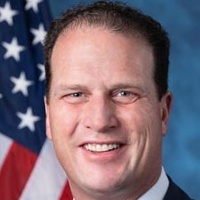
August Pfluger
Representative
TX-11
The I&A Mission Reorientation Act of 2026 realigns the mission of the DHS Office of Intelligence and Analysis (I&A). This legislation mandates that I&A equally prioritize and resource its support for State, local, Tribal, and territorial governments and private sector entities alongside its support for the intelligence community. The bill emphasizes fostering two-way information sharing and requires a report detailing the implementation of this mission shift.
DHS Intelligence Shift: New 2026 Act Mandates Two-Way Street for Local Security Data
The I&A Mission Reorientation Act of 2026 is designed to overhaul how the Department of Homeland Security’s Office of Intelligence and Analysis (I&A) handles information. For years, intelligence often felt like a one-way street: local authorities sent data up to the feds, but rarely got much back in return. This bill legally mandates that the I&A must now prioritize and resource its support for state, local, tribal, and territorial governments—and even private sector businesses—just as highly as it supports the big-name national intelligence agencies. By requiring 'forward-deployed intelligence capabilities,' the bill aims to put federal expertise closer to the ground where local police departments or utility companies are actually dealing with threats.
Breaking the One-Way Mirror
The core of this bill is about ending the 'one-directional flow' of information. Under Section 3, the I&A is required to facilitate 'two-way information sharing.' Imagine a local IT manager for a city’s water system who notices a weird digital blip. Currently, they might report it and hear nothing back. This act pushes the I&A to provide that manager with actionable, timely intelligence so they can actually do something about it. It also forces the office to maintain 'robust and sustained engagement' with fusion centers—those state-run hubs where local and federal law enforcement sit side-by-side. The goal is to make sure the person managing a store or running a local precinct has the same level of situational awareness as a suit in D.C.
Accountability and the Fine Print
To make sure this isn't just a change in letterhead, the bill requires the Under Secretary for Intelligence and Analysis to hand over a progress report to Congress within 180 days. This report has to include specific metrics used to evaluate how well they are supporting local governments and private businesses. While the bill is a major pivot toward local support, it does include a 'Limitation on Interpretation' clause, clarifying that these changes won't touch the I&A’s existing watchlisting functions. The real challenge will be in the implementation; the bill demands that supporting the DHS Secretary cannot 'hinder or deprioritize' the mission to help local entities, which is a tall order when resources are tight and high-level crises tend to suck the oxygen out of the room.