This bill establishes a national employer notification service to immediately alert employers when a school bus driver's commercial license status changes due to moving violations or other adverse actions.
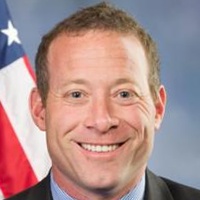
Josh Gottheimer
Representative
NJ-5
The Miranda Vargas School Bus Driver Red Flag Act establishes a national employer notification service to alert employers when a school bus driver's commercial driving status changes due to violations or suspensions. This law mandates that states implement this service to monitor drivers with school bus endorsements. The goal is to enhance student safety by ensuring employers are immediately aware of critical changes in their school transportation employees' driving records.
Miranda’s Law Mandates Real-Time Driving Alerts for School Bus Drivers: Implementation Set for Two-Year Rollout.
The Miranda Vargas School Bus Driver Red Flag Act, or "Miranda’s Law," aims to close a dangerous communication gap in student transportation. Under this bill, the Department of Transportation will create a national system that automatically pings employers the moment a school bus driver’s record changes. This means if a driver is convicted of a moving violation, has their license suspended, or gets into an accident, the school or private bus company doesn't have to wait for an annual check to find out—they get a notification immediately. The bill requires the Secretary of Transportation to finalize the rules for this service within one year, and states must get the system up and running within two years after that.
Keeping Tabs on the Morning Commute
Currently, many employers rely on once-a-year record reviews to see if their drivers are still fit for the road. This bill replaces that lag time with an automated "red flag" system. For example, if a driver in your district gets a DUI over the weekend while driving their personal car, the school district—acting as the employer—would be notified through the national service. The bill specifically includes school districts and local educational agencies as "employers" if they organize or pay for student travel, ensuring that even if a school hires a private bus contractor, both the school and the company stay in the loop (Section 4). To keep things fair, the bill also mandates that the driver receives a copy of the alert at the exact same time as their boss (Section 5), preventing any behind-the-scenes surprises regarding their employment status.
Cutting Red Tape vs. New Costs
For the bus companies and school districts, there is a bit of a trade-off. Participating in this real-time monitoring exempts employers from the old-school requirement of performing manual annual driving record inquiries (Section 3). This could save administrative staff a lot of paperwork. However, there’s a catch: the bill suggests that states might charge an annual per-driver fee to cover the costs of the system. While the bill allows states to use federal grant money to build the infrastructure, the day-to-day costs of monitoring every driver with a school bus endorsement could add up for smaller districts or local bus companies already struggling with tight budgets.
The Fine Print on "Official Actions"
While the goal is safety, the bill leaves some room for interpretation that could affect drivers' livelihoods. It covers standard issues like tickets and crashes, but it also flags "any other official action taken against the employee’s driving privilege" (Section 2). This is a bit vague. For a driver, this could mean that a minor administrative hiccup with their license—something that doesn't actually make them a dangerous driver—might trigger a red flag to their employer. Because the bill makes participation mandatory for any employer with drivers holding a school bus endorsement, there’s no opting out. It’s a powerful tool for safety, but its success will depend on whether the final regulations can distinguish between a paperwork error and a genuine safety risk.