This bill converts presidential campaign funding into a state grant program, administered by the Election Assistance Commission, to enhance federal election security through updated voting systems and cybersecurity measures.
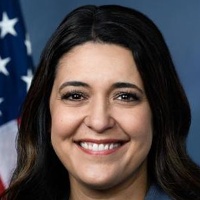
Stephanie Bice
Representative
OK-5
The STEADFAST Act converts funding from the former Presidential Election Campaign Fund into a new grant program administered by the Election Assistance Commission. This program provides grants to states for essential election security activities, such as updating voting systems and enhancing cybersecurity. States must meet specific eligibility requirements, including using paper ballots and voter ID, to receive priority funding. The bill also terminates public financing for presidential campaigns and transfers remaining funds to this new Election Security Fund.
STEADFAST Act Ends Taxpayer-Funded Presidential Campaigns to Bankroll New State Election Security Grants
The STEADFAST Act effectively closes the checkbook on public funding for presidential campaigns and redirects that money into a new 'Election Security Fund.' Starting with tax years after 2025, the little checkbox you see on your IRS forms for the Presidential Election Campaign Fund will be rebranded for election security. The bill doesn't just move the furniture; it creates a structured grant program where the Election Assistance Commission (EAC) hands out cash to states for specific tech upgrades, like cybersecurity defenses and physical security for voting machines. To get a slice of the pie, states have to play by a new set of rules, including submitting detailed spending plans and certifying that non-citizens aren't voting in their neck of the woods.
The Security Shopping List
Under Section 2, states can use these federal grants to modernize their gear—think buying new voting machines, securing electronic poll books, and printing paper ballots with high-tech security features. If you’re a poll worker or a local tech lead, this could mean finally replacing that glitchy hardware from the early 2000s. However, there’s a catch for the people running the show: the bill specifically bans using this money for general administrator training (unless it’s specifically about using the new equipment) or for paying legal fees and court judgments. This means if a county gets sued over election procedures, they can't dip into this federal pot to cover their lawyers.
Who Gets to the Front of the Line?
While the money is distributed based on how many registered voters a state has, the bill sets up a 'VIP list' for funding priority. To get to the front of the line, a state must require valid photo ID at the polls, use paper ballots that voters can verify, and actively use federal databases like the Social Security Number Verification Service to scrub non-citizens from the rolls. For a voter in a state that already does this, you might see smoother tech at your precinct sooner. But if you live in a state that uses digital-only voting or doesn't have a strict photo ID law, your local officials might find themselves at the back of the queue, potentially missing out on the first wave of security upgrades.
The Vendor Gatekeepers
One of the more complex parts of the bill involves who actually builds the tech. States can only spend this grant money with vendors certified by the EAC. Section 2 bars any company from being certified if they’ve previously 'donated' funds to help a local government run an election—a move clearly aimed at stopping private money from influencing public administration. For small tech startups or local vendors, this certification process adds a significant layer of red tape. For you, the voter, it means the software counting your ballot will be coming from a pre-approved list of companies that haven't opened their wallets for local election offices in the past.