The HIRE DEA Act grants the Drug Enforcement Administration direct hire authority from 2027 through 2034 to expedite the appointment of personnel to critical roles combating drug trafficking.
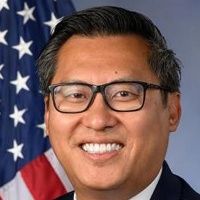
Vince Fong
Representative
CA-20
The HIRE DEA Act grants the Drug Enforcement Administration (DEA) special direct hire authority from 2027 through 2034. This allows the Attorney General to quickly appoint qualified candidates to critical roles, such as Special Agents and intelligence analysts, bypassing standard competitive hiring rules. This authority is intended to enhance the DEA's ability to combat evolving drug trafficking threats.
HIRE DEA Act Grants Direct-Hire Power for 2027-2034: Bypassing Federal Rules to Staff Drug Enforcement Roles.
The HIRE DEA Act is designed to put the Drug Enforcement Administration on the fast track for hiring from 2027 through 2034. Essentially, it gives the Attorney General a 'fast pass' to skip the traditional, often sluggish competitive hiring rules that usually apply to federal jobs. By bypassing the standard competitive procedures found in the U.S. Code, the agency aims to fill critical gaps in its workforce much faster than the current bureaucratic pace allows. This isn't just for office work; it’s a broad sweep intended to get boots on the ground and analysts behind screens to tackle evolving drug threats.
The Fast-Track Roster
Under Section 2, the bill identifies specific 'covered positions' that can skip the line. This includes the heavy hitters like Criminal Investigators (Special Agents) and Intelligence Research Specialists, but it also covers forensic specialists, community outreach coordinators, and project managers. For someone looking to start a career in federal law enforcement, this could mean the difference between a hiring process that takes eighteen months and one that moves at the speed of the private sector. If you’re a forensic science grad or a tech-savvy analyst, the typical red tape of federal applications might suddenly disappear, making these high-stakes roles more accessible.
Open-Ended Authority
One of the more interesting—and potentially controversial—parts of the bill is the flexibility it gives the Attorney General. Beyond the specific roles listed, the bill allows the AG to designate 'any other position' as eligible for direct hire if they decide it’s necessary to fight new drug trafficking trends. While this allows the DEA to be nimble—say, if they suddenly need a fleet of specialized drone pilots or crypto-currency experts—it also removes the traditional checks and balances that ensure federal hiring is purely merit-based and transparent. It’s a classic trade-off: you get more speed and adaptability, but you lose some of the oversight that prevents favoritism in government staffing.
Real-World Stakes
For the average person, the impact of this bill is all about the DEA’s 'mission support.' If the agency can actually get forensic specialists into labs faster, it could mean quicker processing of evidence for local drug cases. If community outreach coordinators are hired more efficiently, your local school or neighborhood watch might see more direct engagement from federal resources. However, because this authority lasts nearly a decade (through 2034), it represents a significant long-term shift in how one of the country's most powerful law enforcement agencies builds its team, moving away from the standard 'rulebook' hiring that has governed the civil service for decades.