This Act establishes an Office of Whistleblower Awards within the SBA to pay cash rewards to individuals who report original information leading to the recovery of funds lost to COVID loan fraud.
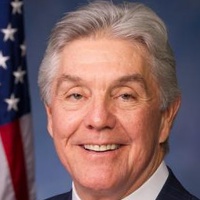
Roger Williams
Representative
TX-25
The Put America on Commission Act of 2026 establishes an Office of Whistleblower Awards within the SBA to reward individuals who report original information leading to the recovery of funds from COVID loan fraud. This office will pay awards ranging from 10% to 15% of collected funds, sourced from a new Whistleblower Award Fund. The bill also imposes a new civil monetary penalty on those convicted of COVID loan fraud and includes anti-retaliation protections for whistleblowers.
New Whistleblower Law Offers 15% Commissions for Reporting COVID Loan Fraud: SBA to Launch Recovery Office
The federal government is looking for the public's help to hunt down COVID-19 relief scammers, and they're willing to pay a finder's fee to get it done. The Put America on Commission Act of 2026 creates a dedicated Office of Whistleblower Awards within the Small Business Administration (SBA). This isn't just a tip line; it’s a formal system designed to pay cash to anyone who provides 'original information'—meaning stuff you know firsthand that isn't already public—that leads to a conviction or settlement in a COVID loan fraud case. If the scammer is based in the U.S., the whistleblower gets a 10% cut of the recovered money; if the fraudster is abroad, that reward jumps to 15%.
Bounty Hunting for Bureaucrats
This bill treats fraud recovery like a sales commission. To make sure the money is there to pay out, the SBA is creating a 'Whistleblower Award Fund.' Every time the government wins a case based on a whistleblower's tip, the recovered cash goes into this revolving fund to pay the next round of rewards and keep the office running. For example, if a tech worker notices their boss bragged about pocketing a $500,000 PPP loan for a shell company and reports it, that worker could potentially see a $50,000 payday once the case is settled. The bill also adds a massive sting for the scammers: a new civil penalty equal to 30% of the loan's principal on top of whatever else they owe. This means if someone stole $100,000, they aren't just paying it back; they’re looking at an extra $30,000 fine immediately.
Fine Print and Protection
Because the government knows that 'snitching' can be risky, the bill includes specific anti-retaliation protections. Section 2 of the act makes it illegal for an employer to fire, demote, or discriminate against a whistleblower. If a company tries to get even, the whistleblower can sue for relief under existing federal protections. However, the bill is also strict about who gets paid. If you were the mastermind behind the fraud, you can’t turn around and claim the reward. Furthermore, if multiple people report the same scam, the SBA head and the Inspector General will decide who made the 'most substantial contribution.' Only that person gets the check, which might lead to some behind-the-scenes debates over who actually cracked the case.
The Reality Check
While the goal is to claw back billions in misspent taxpayer money, the rollout has some hurdles. The SBA has a tight deadline—just three to six months—to get these rules written and the office open. One potential snag for whistleblowers is a provision regarding 'non-disclosure.' If the Inspector General decides that revealing whether a specific tip was the basis for a case would compromise something, they can simply say it 'may not be disclosed.' In those instances, the tip is legally treated as if it wasn't used, and no reward is paid. This gives the government a bit of a 'trust us' loophole that might frustrate people who spent time and risk their jobs to come forward. For the average person, this bill turns the massive task of policing COVID funds into a decentralized effort, essentially putting a price on the head of every fraudulent loan recipient still out there.