This Act prohibits colleges, student athletes, and related entities from entering into Name, Image, and Likeness (NIL) or other revenue agreements with entities or nationals of specified foreign countries, while imposing strict reporting and compliance requirements.
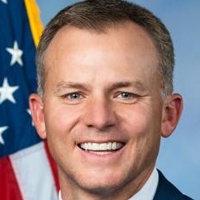
Blake Moore
Representative
UT-1
The No Foreign NIL Funds Act prohibits U.S. colleges, student-athletes, and related groups from entering into Name, Image, and Likeness (NIL) agreements or other revenue-generating contracts with entities or nationals of designated foreign countries. This legislation aims to restrict foreign influence in collegiate athletics by banning financial relationships with countries outside of NATO allies, Australia, New Zealand, and Ireland. Covered entities must report solicitations from foreign interests, and non-compliant institutions risk losing federal student aid eligibility.
New 'No Foreign NIL Funds Act' Bans College Athletes from International Endorsement Deals with 1-Year Playing Penalty.
College sports just got a whole lot more complicated for the 25-year-old track star or the 20-year-old quarterback looking to cash in on their hard work. This bill creates a massive 'no-go' zone for Name, Image, and Likeness (NIL) deals, effectively banning student-athletes, colleges, and booster collectives from taking money from almost any foreign country or individual. While the goal is to keep international influence out of U.S. stadiums, the reality is a new web of red tape for players who might just want to sign a deal with a global tech brand or an international sneaker company. If a student-athlete accidentally signs with a prohibited foreign entity, they face a mandatory one-year ban from playing their sport.
The 'Friends and Family' Map Under this bill, the world is split into two groups. You can do business with 'the circle'—which includes NATO members, Australia, New Zealand, and Ireland. But if a company is based anywhere else—think Brazil, Japan, or South Korea—and is even partially 'financed or subsidized' by their government, they are strictly off-limits. For a student-athlete, this means their agent now needs a degree in international relations just to vet a simple Instagram sponsorship. The bill doesn't just stop at the players; it hits the big leagues too, prohibiting colleges and conferences from signing media rights or stadium naming deals with these 'foreign' entities.
The Nuclear Option for Colleges The stakes for universities are incredibly high. To keep their federal student aid—the money that pays for Pell Grants and student loans for the entire student body—colleges must certify they are following these rules. If a school is found in violation and loses its appeal, it becomes ineligible for federal student aid programs. Imagine a scenario where a university's entire financial aid department is paralyzed because a booster club took a donation from a prohibited foreign source. It’s a massive 'nuclear option' that could affect every student on campus, not just the ones on the field.
Reporting the 'Slide into the DMs' This legislation turns athletic departments into mini-intelligence agencies. If a foreign national even solicits a deal—basically reaching out to talk business—the college is required to document that attempt and report it to the Attorney General and the Secretary of Education. For the busy athletic director or the student-athlete managing their own brand, this adds a layer of 'snitch-or-be-punished' paperwork. While it aims to protect national interests, the broad definitions of what counts as a 'foreign entity' mean that a lot of legitimate business could get caught in the crossfire, leaving players with fewer ways to pay for tuition and schools with fewer ways to fund their programs.