This act establishes an Office of Native American Affairs within the SBA to enhance entrepreneurial development, contracting, and capital access for Indian Tribes and Native Hawaiian Organizations.
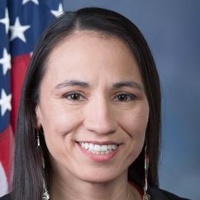
Sharice Davids
Representative
KS-3
The Native American Entrepreneurial Opportunity Act establishes an Office of Native American Affairs within the Small Business Administration (SBA). This office will focus on connecting Indian Tribes and Native Hawaiian Organizations with SBA resources for entrepreneurial development, contracting, and capital access. Headed by an Assistant Administrator with relevant cultural knowledge, the Office aims to promote economic growth for these communities before its authority sunsets after seven years.
Native American Entrepreneurial Opportunity Act Establishes New SBA Office to Boost Tribal Small Businesses through 2031.
This bill creates a dedicated Office of Native American Affairs within the Small Business Administration (SBA) to ensure Tribal and Native Hawaiian entrepreneurs aren’t left navigating the federal bureaucracy alone. By formalizing this office, the legislation aims to bridge the gap between existing SBA resources—like startup loans and government contracting programs—and the specific economic needs of Indian Country. The office is designed to be a one-stop shop for Native business owners, providing direct assistance and making sure they know about relevant programs across the entire federal government, not just the SBA.
A Seat at the Table
To lead this effort, the bill requires the appointment of an Assistant Administrator who isn’t just a career bureaucrat; they must have specific knowledge of Native American cultures and a track record of providing small business help that actually fits those communities. This leader is tasked with more than just paperwork—they are responsible for conducting 'Tribal consultations,' which is policy-speak for sitting down with Tribal leaders to hear what’s actually working and what needs to change in SBA procedures. For a local artisan or a Native-owned construction firm, this means there is finally a specific person in D.C. whose entire job is to advocate for their ability to access capital and compete for federal contracts.
Funding and Feet on the Ground
The bill gives the SBA the green light to hand out grants and contracts to Tribes and Native-led nonprofits to run workshops and training sessions. Think of this as moving the classroom closer to home; instead of a business owner in a rural area having to travel to a major city for a 'how-to' on government bidding, the funding can support local organizations to bring that expertise directly to the community. However, the bill includes a bit of a 'show your work' requirement: the office has to report to Congress every year on exactly how many people they’ve helped and how many trainings they’ve held. This keeps the focus on actual results rather than just creating another layer of management.
The Seven-Year Test
One interesting detail is the 'sunset clause,' which means this entire office and its authority will automatically disappear seven years after the bill is signed into law. It’s essentially a seven-year trial run to see if a dedicated office can actually move the needle on economic development in Native communities. While the bill uses some flexible language—like saying the office should educate folks about other agencies 'to a reasonable extent'—the overall structure is a straightforward attempt to make sure federal business tools are actually reaching the people they were designed to help. For the next seven years, the success of this initiative will depend on how effectively that new Assistant Administrator can turn these policy goals into real-world loans and contracts for Native entrepreneurs.