This act establishes a grant program to fund partnerships promoting mental and behavioral health careers to high school and community college students.
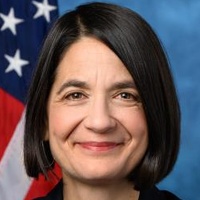
Becca Balint
Representative
VT
This bill establishes the Mental Health Career Promotion Grant Program to address workforce shortages in mental and behavioral health. The program awards grants to partnerships between schools, community colleges, and local health providers. These funds support activities designed to encourage students in grades 9 through college to pursue careers in mental and behavioral health.
New Mental Health Career Grant Program to Invest $50 Million Annually in Student Training Starting in 2027
The Mental Health Career Promotion Act is a direct response to the growing demand for mental health professionals by reaching out to students before they even pick a major. Starting in fiscal year 2027, the bill authorizes $50 million every year through 2031 to fund the Mental and Behavioral Health Career Promotion Grant Program. This isn't just a general awareness campaign; it’s a targeted effort to build a pipeline from high schools and community colleges directly into the workforce. The Secretary of Health and Human Services will oversee these five-year grants, ensuring they are spread across diverse geographic areas so that rural towns and big cities alike get a shot at the funding.
Building the Local Pipeline
To get a piece of this funding, organizations can't go it alone. The bill requires a partnership between local schools (grades 9-12 or community colleges) and actual community mental health providers. Think of it as a bridge between the classroom and the clinic. For a student at a local community college, this could mean the difference between just reading about psychology and actually landing a coordinated internship or mentorship with a local counselor. By requiring these partnerships, the bill ensures that the 'career promotion' is grounded in real-world experience rather than just brochures in a guidance counselor's office.
From Shadowing to Salary
The grant money is earmarked for very specific, hands-on activities. Under Section 2, schools can use the funds for job shadowing, externships, and experiential learning. For example, a high school junior interested in social work might get to shadow a peer support specialist or a community health worker. The bill specifically lists a wide range of target careers, including nurses, social workers, counselors, and psychiatrists. This broad definition helps students see that 'mental health' isn't just one job title, but a whole field with different entry points and salary levels.
Accountability and Cultural Fit
One of the smarter details in the text is the requirement that all activities be 'developmentally, linguistically, and culturally appropriate.' This means a program in a predominantly Spanish-speaking neighborhood or a tribal community must actually reflect the people it’s trying to recruit. To keep things honest, the bill limits administrative overhead—grant recipients can’t spend more than 10% of their funds on data collection. While the Secretary has some leeway in approving which 'community-based entities' qualify for the partnerships, the mandatory annual reports to Congress are designed to show exactly whether these $50 million annual investments are actually turning students into the next generation of healthcare workers.