This bill reauthorizes the First Responder Network Authority through 2037, increases NTIA oversight, modifies the Board composition, and expands reporting requirements for the public safety broadband network.
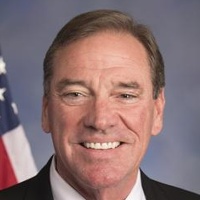
Neal Dunn
Representative
FL-2
This bill reauthorizes the First Responder Network Authority (FirstNet) through 2037 and increases oversight by the National Telecommunications and Information Administration (NTIA). It also modifies the FirstNet Board composition to enhance public safety representation and establishes a new Associate Administrator role. Furthermore, the legislation expands reporting requirements regarding network security, adoption rates, and mandates specific contractor plans for business continuity and outage notifications.
FirstNet Reauthorization Extends Public Safety Network to 2037, Boosts Oversight and Board Diversity
Alright, let's talk about the First Responder Network Authority Reauthorization Act of 2026. This isn't exactly the kind of bill that makes headlines, but if you've ever needed a first responder, or if you are one, this is pretty significant. Essentially, it's hitting the refresh button on FirstNet, the nationwide broadband network built specifically for police, firefighters, EMS, and other emergency personnel. Think of it as their dedicated, super-reliable cellular network, designed to keep them connected when regular networks might get overwhelmed.
Keeping the Lifeline Open
First up, this bill isn't just tweaking things; it's extending FirstNet's life. Originally, there was a 15-year sunset clause, but this new legislation pushes the authorization all the way through September 30, 2037 (Section 2). That means the dedicated communication lines for our first responders aren't going anywhere anytime soon. For anyone who relies on these services, or who works in them, this provides a solid decade-plus of stability for critical communications. Imagine a major disaster, and regular cell service goes down—this network is designed to stay up, and this bill ensures it keeps running.
More Cooks in the Kitchen (But in a Good Way)
One of the bigger shifts here is how FirstNet will be governed. The National Telecommunications and Information Administration (NTIA) is getting a bigger say. The bill states that "Any action taken by FirstNet must be approved by the NTIA," with a few exceptions (Section 3). While FirstNet can still deploy emergency resources and set strategic priorities without prior approval, things like budget and network reinvestment decisions will now need NTIA's stamp of approval. The good news is, if FirstNet sends a recommendation on reinvestment, the NTIA has to act on it within 60 days, so it's not an endless waiting game. This could be a double-edged sword: more oversight could mean more accountability, but it also introduces another layer of bureaucracy that could slow things down if not managed efficiently.
Public Safety Gets a Bigger Seat at the Table
Ever wish the people affected by policy had more say in it? This bill aims to do just that for FirstNet. Starting three years after enactment, the FirstNet Board must include at least five members who are active State, local, or Tribal public safety professionals (Section 4). These aren't just folks who used to be in the field; they're currently working in fire, EMS, law enforcement, emergency management, or 911 services. This is a pretty significant move, ensuring that the network's direction is guided by the people actually using it on the ground. Plus, they're staggering Board member terms so not everyone's term expires at once, which should help maintain institutional knowledge and smooth transitions.
Building a Stronger, Smarter Network
This legislation also broadens the definition of the network itself. Instead of a fixed list of initial components, the network will now "consist of such technologies and services as necessary to enable secure, interoperable, resilient, and prioritized broadband communications for public safety entities" (Section 6). This is a smart move for a tech-driven service; it allows FirstNet to evolve with new technologies without needing a new act of Congress every time. Think of it like this: instead of being locked into a flip phone, they can upgrade to whatever smartphone tech comes next. There's also a new Associate Administrator position created to manage FirstNet's staff and operations, ensuring a dedicated point person for daily functions and liaison with the NTIA (Section 5).
Keeping an Eye on the Details
Accountability is a big theme here. The bill expands reporting requirements to Congress significantly. The annual audit will now include an evaluation of the FirstNet contractor's performance (Section 8). On top of that, the NTIA will have to submit annual reports on cyberattacks, cyber defense efforts, and unscheduled service outages affecting the network, with an option for a classified annex. They'll also report on adoption rates by profession and geographic area. This means more transparency for Congress and, by extension, the public, on how well the network is performing and where it might need improvements. Plus, the contractor will need a robust business continuity and disaster recovery plan (Section 9) to ensure the network can bounce back quickly after an emergency, and they'll have to notify FirstNet within 30 minutes of confirming an outage (Section 10). It's all about making sure the network is reliable, secure, and ready when it counts.