This act imposes a 100% tax on civil damages received by a sitting U.S. President or related persons from lawsuits filed against the United States during their term in office.
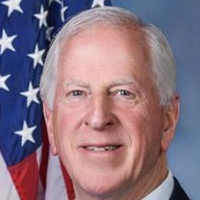
Mike Thompson
Representative
CA-4
The Prevent Presidential Profiteering Act imposes a 100% tax on certain civil damages received by a sitting U.S. President or their related persons from lawsuits filed against the United States during their term in office. This tax is levied on the "qualified civil action amount" received from such litigation. These damages are specifically excluded from regular gross income for standard income tax purposes.
Prevent Presidential Profiteering Act Slaps 100% Tax on Civil Damages Awarded to Presidents and Their Families
The 'Prevent Presidential Profiteering Act' is a direct strike at the idea that anyone should financially benefit from lawsuits against the government while serving as the nation’s Commander-in-Chief. In plain English, if a sitting President, their spouse, their kids, or even a company they control wins a settlement or a court judgment against the United States during their term, they won't see a dime of that money. The bill creates a new 100% tax on these 'qualified civil action amounts' (Section 2), essentially turning any legal win against the federal government into a wash for the First Family. While the money is technically excluded from their regular gross income, they are prohibited from taking any tax deductions for the 100% tax they pay, ensuring the government recoups every cent.
The 'Family and Friends' Clause
This isn't just about the person behind the Resolute Desk. The bill casts a wide net by defining a 'covered person' to include the President’s family members—specifically citing Internal Revenue Code section 152(d)(2), which covers everyone from spouses and children to parents, nieces, and in-laws. It also loops in any 'person controlled by' the President or their family. Think of it this way: if a President’s adult daughter runs a real estate LLC that sues the federal government over a land dispute and wins a $1 million settlement while her father is in office, that entire $1 million goes straight to the IRS. The goal is to shut down any side-door profits that could come from the unique legal leverage a President holds over the Department of Justice.
A Financial Dead End
The mechanics of this bill are designed to be airtight and, frankly, a bit punitive. By setting the tax rate at exactly 100% (Section 2), the legislation ensures that even if a President has a legitimate legal grievance against the government—say, a contract dispute from a pre-presidency business deal—the financial incentive to settle it while in office vanishes. For a busy professional or a small business owner, this would be like winning a lawsuit against the city only to have the city send you a tax bill for the exact amount of your check. There’s no wiggle room here; the bill explicitly states that no deduction is allowed for the tax paid, meaning you can't use this massive tax hit to lower your other tax obligations.
The Gray Areas of Control
While the intent is clear, the implementation could get messy. The bill uses the phrase 'controlled by,' but doesn't offer a granular definition of what 'control' looks like in a complex corporate structure. For family members who have their own independent careers or businesses, this could create a massive financial headache. Imagine a distant relative who owns a construction firm that gets caught in a legal battle with a federal agency; if they are deemed to be 'controlled' by the President’s family, their entire legal recovery could be seized. This vagueness means that the IRS would have significant power to decide who counts as a 'covered person,' potentially dragging extended family members into a financial spotlight they never asked for just because of their last name.