The Local Water Protection Act extends federal funding authorizations for nonpoint source water pollution management programs through fiscal year 2031.
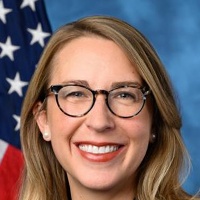
Hillary Scholten
Representative
MI-3
The Local Water Protection Act extends federal funding authorization for nonpoint source water pollution management programs through fiscal year 2031. This legislation ensures continued financial support for state and local efforts to address diffuse water pollution sources.
Local Water Protection Act Extends Federal Funding for Runoff Management Through 2031
The Local Water Protection Act is a straightforward legislative tune-up that keeps the money flowing for nonpoint source pollution management. Specifically, it amends Section 319(j) of the Federal Water Pollution Control Act to push the expiration date of current funding authorizations from 2027 out to 2031. This isn't a bill about new regulations or complex mandates; it’s a procedural bridge designed to ensure that the grants states and local communities rely on to keep their water clean don't suddenly dry up.
Keeping the Tap Open
By shifting the funding window from the 2023-2027 cycle to the 2027-2031 fiscal years, the bill provides a predictable financial horizon for environmental projects. In the world of water management, 'nonpoint source pollution' is basically a fancy term for runoff—think of rain picking up motor oil from a suburban driveway, fertilizer from a backyard garden, or sediment from a construction site and carrying it into local streams. Because this pollution doesn't come from a single pipe, it’s notoriously difficult and expensive to manage. For a local city planner or a small-town public works director, this extension means they can keep planning long-term infrastructure projects, like permeable pavement or bioswales, with the confidence that federal cost-sharing will still be on the table four years longer than originally planned.
Stability for Local Communities
The real-world impact here is all about administrative continuity. If you’re a small business owner near a lake or a homeowner concerned about local water quality, this bill ensures that the state agencies responsible for monitoring these areas aren't left in a lurch. By updating the authorization dates now, the bill avoids a 'funding cliff' where local programs might have been forced to scale back or halt entirely while waiting for a new budget cycle. It’s a low-drama, high-utility update that keeps the existing machinery of the Clean Water Act running without changing the rules of the game for everyday citizens.