This act significantly increases the annual cap for H-1C nonimmigrant nurse visas to 20,000 for employment in designated shortage areas and mandates staffing ratio policies for petitioning healthcare facilities.
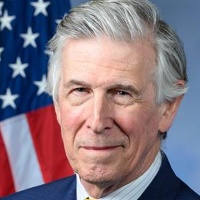
Donald Beyer
Representative
VA-8
The National Urgent Recruitment for Skilled Employees Visa Act of 2026, or NURSE Visa Act, significantly increases the annual availability of H-1C visas for nonimmigrant nurses from 500 to 20,000. This expansion aims to address critical nursing shortages by prioritizing placements in designated shortage areas. Additionally, the bill mandates that healthcare facilities petitioning for these visas must maintain a formal policy on provider-to-patient staffing ratios.
NURSE Visa Act Boosts Annual Foreign Nursing Visas from 500 to 20,000 to Tackle Healthcare Shortages.
The National Urgent Recruitment for Skilled Employees (NURSE) Visa Act of 2026 aims to fix a massive bottleneck in the American healthcare workforce by overhauling the H-1C visa program. Specifically, Section 2 of the bill ramps up the number of available visas for nonimmigrant nurses from a measly 500 per year to a substantial 20,000. It also scraps the old state-by-state caps that used to limit where these professionals could work, allowing talent to flow more freely to whichever 'designated shortage areas' need them most. If you’ve ever waited hours in an ER or seen a loved one in a short-staffed rehab facility, this bill is looking to put more boots on the ground by opening the door to international talent on a scale we haven't seen in years.
A New Floor for Staffing Standards
Beyond just increasing the headcount, the bill introduces a significant new requirement for any hospital or clinic looking to hire through this program. Under the new staffing policy provision, healthcare facilities must have a formal provider-to-patient staffing ratio policy in place before they can petition for these visas. For a nurse working a grueling double shift in a metro hospital, this means their employer has to actually put a staffing plan on paper. While the bill doesn't dictate exactly what those ratios must be—leaving some room for interpretation—it forces facilities to formalize how many patients one nurse should realistically handle, potentially creating more transparency in high-pressure work environments.
From Policy to Patient Care
This rollout isn't going to happen overnight, but it’s on a fast track. The Secretary of Health and Human Services and the Secretary of State are given exactly one year to hammer out the final regulations, though the visa increase itself is slated to take effect immediately upon enactment. For a patient in a rural community where the local clinic is struggling to keep its doors open, this could mean seeing a qualified professional sooner rather than later. However, because the bill has a 'medium' level of vagueness regarding what qualifies as a 'shortage area,' the real-world impact will depend heavily on how the government defines those zones in the coming months.
Long-Term Prognosis
By removing the state-specific limits, the NURSE Visa Act acknowledges that healthcare needs don't stop at state lines. A travel nurse or a foreign recruit can now be placed wherever the vacancy is most critical, whether that’s a specialized surgical unit in a city or a general practice in a small town. The challenge will be in the implementation: ensuring that the new provider-to-patient policies actually lead to better working conditions rather than just becoming another piece of HR paperwork. For the 25-to-45 crowd juggling aging parents and their own health needs, this bill represents a major attempt to stabilize a healthcare system that has been leaning heavily on an exhausted workforce.