This bill grants Dr. Yue-Cheng Yang lawful permanent resident status and provides related immigration relief.
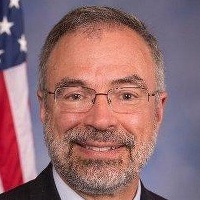
Andy Harris
Representative
MD-1
This bill grants Dr. Yue-Cheng Yang lawful permanent resident status (a green card) and provides related immigration relief. It makes him eligible to adjust his status despite certain standard immigration limitations and waives past grounds for removal or inadmissibility. Dr. Yang must apply within two years of enactment for these provisions to take effect.
Congress Moves to Grant Green Card to Dr. Yue-Cheng Yang: Private Bill Waives Past Violations and Adjusts National Visa Caps.
This bill is what’s known as a 'private bill'—a rare piece of legislation that targets the legal status of exactly one person rather than the general public. Specifically, it grants Dr. Yue-Cheng Yang lawful permanent resident status (a green card), effectively bypassing the standard, often years-long immigration queues. It doesn’t just give him a seat at the table; it clears his record of any past immigration violations documented by the government and stops any active removal or deportation orders in their tracks. To make this happen, Dr. Yang has a two-year window from the date the bill becomes law to file his paperwork and pay the necessary fees.
A Custom Path to Residency
Under Section 1, the bill essentially creates a 'fast-pass' for Dr. Yang. Usually, getting a green card involves navigating strict annual limits and specific eligibility categories defined by the Immigration and Nationality Act. This bill tells the Department of Homeland Security to ignore those standard caps (sections 201 and 202) for his case. For someone like a local business owner or a colleague working alongside a specialist on a temporary visa, this represents a permanent solution to what was likely a complex legal limbo. By treating Dr. Yang as if he has been in the country lawfully since his arrival, the bill removes the common hurdles that often trip up applicants who have had gaps in their legal status.
The 'One In, One Out' Rule
While this is a massive win for Dr. Yang, the bill includes a specific 'offset' provision that has a ripple effect on others. When Dr. Yang receives his permanent residency, the Secretary of State is required to reduce the total number of immigrant visas available to people from his birth country by one. This reduction happens in either the current or the next fiscal year. Imagine a line of thousands of people from the same country waiting for their turn to move to the U.S.; this bill effectively takes one spot from that general line and gives it specifically to Dr. Yang. It’s a zero-sum game at the administrative level, ensuring the total number of immigrants allowed from that region stays within the legal limit, even if the order of who gets in is changed by Congress.
Deadlines and Paperwork
This isn't an automatic grant of citizenship; it's a specialized opportunity. Dr. Yang must still take the initiative to apply for the 'adjustment of status' and—importantly—pay the required filing fees. If he misses the two-year deadline stipulated in the bill, the special protections and the path to residency expire. For the rest of us, this highlights how Congress can occasionally step in to resolve individual cases that the standard bureaucracy can't or won't fix, though it does so by making a very specific exception to the rules everyone else has to follow.