This bill increases Medicare bonus payments for mental health and substance use disorder services provided in designated shortage areas.
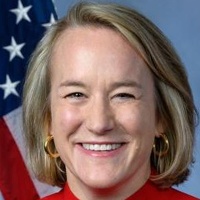
Nicole (Nikki) Budzinski
Representative
IL-13
The More Behavioral Health Providers Act of 2026 aims to increase the availability of mental health and substance use disorder services in shortage areas. It achieves this by amending the Medicare health professional shortage area bonus program to offer a higher 15% payment incentive for these specific services. This increased bonus will apply to eligible practitioners furnishing mental health and substance use disorder care in designated shortage areas starting in 2027.
More Behavioral Health Providers Act Proposes 15% Medicare Bonus to Tackle Mental Health Shortages by 2027
The More Behavioral Health Providers Act of 2026 is a direct attempt to fix a math problem that has left many communities without enough mental health support. Starting January 1, 2027, the bill would significantly boost the financial incentive for professionals treating mental health and substance use disorders in underserved areas. While Medicare already offers a 10% bonus to doctors working in 'shortage areas,' this bill creates a new, higher 15% bonus tier specifically for behavioral health services. It is a clear signal that the government is willing to pay a premium to get therapists and counselors into the neighborhoods that need them most.
Widening the Circle of Care
One of the most practical shifts in this bill is who gets the check. Historically, Medicare incentives have often focused heavily on traditional physicians. This legislation (Section 2) explicitly expands the 15% bonus to a much broader range of professionals, including marriage and family therapists, mental health counselors, clinical social workers, and nurse practitioners. For a therapist running a small private practice in a rural town or a counselor in a high-need urban center, this extra 15% on every Medicare claim could be the difference between keeping the lights on or moving to a more affluent suburb. It acknowledges that the front lines of mental health care are often staffed by specialists who aren't MDs.
Real-World Treatment Coverage
The bill doesn't just throw money at the problem; it defines exactly what kind of work earns the extra pay. Labeled as 'specified health services,' the bonus applies to the diagnosis and treatment of mental health disorders and substance use disorders. Imagine a person in a remote county struggling with opioid addiction; under this bill, the clinic providing their treatment would receive that 15% boost for every session. By making these specific cases more financially viable for providers, the goal is to reduce the months-long waitlists that many people currently face when trying to find a local provider who accepts Medicare.
The Fine Print and Future Hurdles
While the bill is straightforward, there is some 'Medium' level vagueness regarding how it will actually look in practice. The bill gives the Secretary of Health and Human Services the power to determine which specific diagnoses qualify as 'mental health disorders' and how 'shortage areas' are mapped out. This means the real-world impact depends heavily on bureaucratic definitions. If the criteria for a 'shortage area' are too strict, some struggling towns might still miss out. Additionally, because the program doesn't kick in until 2027, there is a significant lead time before patients or providers will see a single extra dollar in their accounts.