This bill renames and significantly expands the existing organic cost-share program to provide comprehensive financial, technical, and capacity-building support for farmers transitioning to and maintaining organic operations.
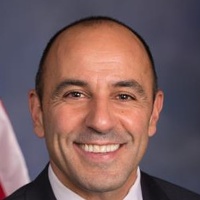
Jimmy Panetta
Representative
CA-19
The Opportunities in Organic Act renames and significantly expands the existing organic certification cost-share program. This new program will provide financial assistance for organic certification costs, while also offering crucial support and technical assistance for farmers transitioning to organic management. The bill directs funding to eligible nonprofits to build capacity, offer direct producer support during transition, and strengthen the organic supply chain. Finally, it mandates increased reporting to Congress on program outcomes and barriers faced by participants.
Opportunities in Organic Act Proposes $1,500 Certification Subsidies and New Transition Funding Through 2031
The Opportunities in Organic Act aims to overhaul how the government supports farmers who want to ditch conventional chemicals for organic labels. It transforms the existing 'National organic certification cost-share program' into a much broader 'Opportunities in Organic program.' While the old version mostly just helped with the paperwork fees of getting certified, this new version (Section 2) expands the mission to actually helping farmers survive the difficult three-year transition period when they are using organic methods but can't yet charge organic prices. It authorizes a significant funding ramp-up, starting at $50 million in 2027 and hitting $100 million annually by 2030.
Breaking the Certification Barrier
For a small farm or a local food handler, the cost of getting that official USDA Organic seal can be a major hurdle. This bill mandates that the Secretary of Agriculture pay for these certification costs, generally capping the payment at $1,500. However, the bill includes a flexible 'safety valve' allowing the Secretary to exceed that $1,500 limit for farmers in high-cost regions or those from socially disadvantaged groups. This means if you're a first-generation farmer in an expensive coastal area, the government could potentially cover your entire certification fee to ensure the cost isn't what keeps you out of the market.
Funding the 'In-Between' Years
Transitioning a farm to organic is like Renovating a house while you're still living in it—it’s messy, expensive, and takes time. The bill tackles this by awarding grants to nonprofits that provide direct financial support to farmers for a one-time, four-year term. Under the 'Producer Transition and Resilience' provision, this money can be used for very practical things: buying cover crop seeds, soil testing, purchasing new equipment, or even compensating for lost income while the land heals. For example, a mid-sized grain farmer could use these funds to offset the cost of new machinery needed for mechanical weeding since they can no longer use standard herbicides.
More Than Just a Check
Beyond direct cash, the bill pushes for a massive increase in 'boots on the ground' technical assistance. It requires the USDA to partner with local universities, tribal departments, and nonprofits to provide regional education and 'teaching farms.' This is the 'how-to' part of the bill—ensuring a farmer in a 'vulnerable region' (like one near a school or sensitive ecosystem) has access to a mentor who can explain organic pest management. The bill also gets specific about the supply chain, offering funding to build or improve organic processing facilities so that once a farmer grows organic produce, they actually have a certified place nearby to wash, pack, or process it.
Keeping Score on Progress
To make sure this isn't just money disappearing into a black hole, the bill significantly beefs up reporting requirements. The USDA will have to tell Congress exactly who is getting help—including demographics, acreage, and regional sales data. They also have to track 'success metrics,' like how many farmers actually finished the transition and what specific barriers stopped others from making it. While the bill uses some broad language regarding 'eligible nonprofits,' which could lead to some confusion over who gets to hand out the grants, the focus on data suggests a goal of transparency for how these millions are spent through 2031.