This comprehensive bill extends the Livestock Mandatory Reporting program, enhances veteran apprenticeship access, protects disabled federal security employees' retirement, expands retirement savings options, funds veteran entrepreneurship training, increases penalties for sex trafficking near schools, establishes a privately-funded museum study commission, directs investment in the semiconductor supply chain, streamlines homeland security equipment reviews, extends NASA property leasing authority, institutes internal House review procedures, strengthens whistleblower protections in the House, mandates a study on foreign ownership of marine terminals, sets a budget calculation rule, adjusts federal credit union meeting requirements, and provides specific FY2026 appropriations.
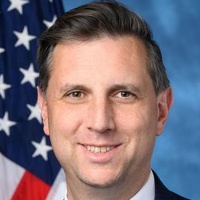
Seth Magaziner
Representative
RI-2
The Advancing Policy Priorities Act is a comprehensive bill containing multiple provisions that address various areas, including extending the Livestock Mandatory Reporting program, enhancing veteran transition services, reforming retirement savings rules, and increasing penalties for sex trafficking near schools. It also includes specific procedural requirements for the House of Representatives and funding allocations for several federal agencies for Fiscal Year 2026. Overall, the Act focuses on market transparency, workforce development for veterans, financial security for federal employees, and administrative efficiency across several government functions.
Massive Bill Boosts Retirement, Veteran Support, and School Safety: What You Need to Know
Alright, let's talk about a bill that's basically a policy buffet, covering everything from your 401(k) to protecting kids at school and helping veterans find jobs. This isn't just one thing; it's a whole basket of changes that could hit your wallet, your career, and even your community.
Your Retirement Just Got a Tune-Up
First up, let's hit the money stuff. If you're one of the millions of folks without a retirement plan at work, this bill is trying to change that. Starting in 2026, most new 401(k) and 403(b) plans will automatically enroll you, kicking off contributions at 3-10% of your pay and bumping it up a percent each year. You can still opt out, but the idea is to get more people saving without even thinking about it. For small business owners, there are bigger tax credits to help them offer plans, making it cheaper to do right by their employees. And if you're a long-term part-timer, good news: by 2025, you'll get a shot at joining the company 401(k) after just two years of working at least 500 hours. This is huge for people juggling multiple jobs or working flexible schedules. Plus, if you're buried under student loan payments, employers can actually match your loan payments into your retirement account starting in 2025, so you're not choosing between debt and your golden years. They're also making it easier to tap into your savings without penalty in emergencies, like up to $10,000 for domestic abuse survivors. And for those of us planning to work a bit longer, the age for Required Minimum Distributions (RMDs) is gradually moving from 72 to 75 by 2034, giving your nest egg more time to grow. This is a big win for pretty much everyone trying to save a buck for the future.
Boosting Our Veterans and Protecting Our Kids
Switching gears, this bill is also throwing a lot of support behind our military veterans. It's making sure that when service members leave the military, they get clear info on registered apprenticeship programs during their mandatory pre-separation counseling. Think of it as a one-stop shop for finding a good trade, complete with a new website that lists programs approved for GI Bill benefits, detailing costs, contact info, and even if they prefer hiring veterans. This could seriously cut down on the headache of finding a post-service career. On top of that, there's renewed funding for the 'Boots to Business' program through September 2028, offering entrepreneurship training to military members, veterans, and their families. It's about giving them the tools to start their own businesses, which is a big deal for economic independence.
Now, for something that hits closer to home for parents and students: this bill is cracking down on sex trafficking and enticement crimes around schools and campuses. It adds up to five years to prison sentences if these awful crimes happen in a school zone, at a school activity, or on a college campus. The goal is to make these areas safer, and while it's a tough topic, it's a direct move to protect our communities' most vulnerable.
Keeping an Eye on the Big Picture (and the Small Ones)
Beyond the personal impacts, there are some interesting moves on the national front. The bill extends the Livestock Mandatory Reporting program for another year, pushing its expiration to 2025. This keeps the current system of price reporting for meatpackers in place, aiming for transparency in the market for ranchers and producers. It also directs the SelectUSA program to focus on attracting foreign investment to beef up our domestic semiconductor supply chain, which is crucial for everything from your phone to your car. There's a study coming on foreign ownership of marine terminals at major U.S. ports, especially looking at Chinese and Russian involvement, to make sure our economic security isn't compromised.
And for the folks running federal credit unions, the rules are changing. If your credit union is financially solid, its board might meet less often, cutting down on administrative costs. But if things are shaky, they'll be back to monthly meetings to keep a closer eye on things. This means your local credit union's oversight will now be directly tied to its financial health, which makes a lot of sense.
Finally, the bill throws some money around for fiscal year 2026, including $1 million to help nursing facilities use telehealth technology. This could be a game-changer for seniors, especially in rural areas, making healthcare more accessible without a trip to the doctor's office. This bill is a mixed bag of practical improvements and strategic national moves, touching a lot of bases that matter to everyday people.