This Act authorizes sanctions against foreign actors who obstruct free and fair Lebanese parliamentary elections or interfere with the voting rights of Lebanese citizens living abroad.
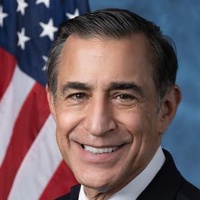
Darrell Issa
Representative
CA-48
This Act authorizes the President to impose sanctions on foreign individuals or entities that obstruct Lebanon's parliamentary elections or interfere with the voting rights of Lebanese citizens living abroad. It establishes Congressional findings emphasizing the importance of free and fair elections for Lebanon's stability. The law requires the President to report regularly to Congress on identified actors and sanctions imposed.
U.S. Bill Authorizes Sanctions Against Foreign Interference in Lebanese Elections, Targets Diaspora Voting Obstruction
Alright, let's talk about the new "Lebanon Election Integrity and Diaspora Voting Protection Act of 2026." This bill essentially gives the U.S. President the green light to slap sanctions on foreign individuals or groups who mess with Lebanon's parliamentary elections or block Lebanese citizens living abroad from casting their votes. Think asset freezes and travel bans for anyone caught in the act. The idea is to protect the integrity of those elections, especially for the huge Lebanese diaspora, which plays a big role back home.
The Sanction Hammer: Who Gets Hit and How
So, who exactly are we talking about here? The bill, in Section 3, authorizes sanctions against any foreign person who "engages in, sponsors, or provides material support for actions that obstruct Lebanon's parliamentary elections or diaspora voting." This is pretty broad. If you're a foreign individual or entity, and you're seen as preventing, limiting, or even manipulating the ability of Lebanese citizens abroad to vote, you could be on the hook. This includes things like undermining voter registration, messing with ballot distribution, or intimidating voters. The sanctions aren't light either: we're talking about blocking all your property and interests in the U.S., and potentially making you ineligible to enter the country. Your visa? Gone. This is a big stick for the U.S. to wield.
Keeping Tabs: What Congress Wants to Know
This isn't just a blank check for the President. Section 4 requires a lot of reporting back to Congress. Within 60 days of the bill becoming law, the President has to send an initial report identifying anyone who's been caught interfering and detailing efforts to undermine diaspora voting. They also need to assess any foreign government or proxy involvement, specifically mentioning Iran-backed entities, regarding the May 2026 elections. After that, there are updates every six months, detailing new sanctions and assessing progress or setbacks in Lebanon's election administration. It's like a regular check-in to make sure the policy is actually doing what it's supposed to.
The Gray Areas: What 'Obstructing' Really Means
Now, here's where it gets a bit nuanced. Section 5, the definitions section, tries to clarify what "diaspora voting obstruction" and "obstructing Lebanon's parliamentary elections" actually mean. It covers everything from preventing or manipulating voting to intimidating voters or undermining election administration. The language, while aiming for clarity, is still pretty broad. For instance, "materially supports such activities" or "otherwise interferes with election administration in ways inconsistent with Lebanese law" could be interpreted widely. This means the executive branch has a fair amount of wiggle room in deciding who gets sanctioned. That kind of broad authority, while potentially effective, also means we need to pay attention to how it's applied, ensuring it's always tied back to the bill's intent and not just political convenience. This sanction authority, by the way, has a built-in expiration date: it ends five years after the Act becomes law.