This act modernizes Lake Tahoe Basin land programs to include the Washoe Tribe in land acquisition and management, allowing federal funds to be used for both acquisition and ongoing land management activities.
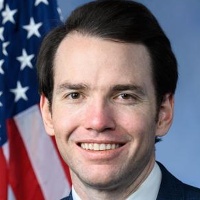
Kevin Kiley
Representative
CA-3
The Santini-Burton Modernization Act of 2026 updates existing law to better support environmental protection and cultural preservation in the Lake Tahoe Basin. This bill specifically includes the Washoe Tribe of Nevada and California in land acquisition and management programs, recognizing the Basin as their homeland. It also expands the use of federal funds to cover land management activities and authorizes the Tribe to acquire culturally significant lands.
Lake Tahoe Modernization Act Expands Tribal Land Rights and Management Funding for 2026
The Santini-Burton Modernization Act of 2026 is essentially a major software update for how we manage one of the country’s most iconic natural landmarks. For decades, the federal government has had the authority to buy up sensitive land around Lake Tahoe to protect it, but this bill shifts the focus toward long-term care and historical justice. Most notably, it officially recognizes the Washoe Tribe of Nevada and California as a primary partner in this work, acknowledging that while the Basin is their ancestral home, they currently own less than 0.5% of the land. The bill aims to fix this by allowing the Tribe to receive land transfers and federal funds to manage their own cultural sites.
From Buying Land to Keeping It Healthy One of the biggest practical shifts here involves the 'purse strings.' Currently, a lot of federal money is locked into 'acquisition only' mode—meaning it can be used to buy land but not necessarily to take care of it. This bill unlocks those funds for actual boots-on-the-ground work. Under Section 2, the Secretary of Agriculture can now use or transfer these funds for 'land management activities.' This means money can flow into thinning overgrown forests to prevent wildfires (the wildland-urban interface), protecting water quality so the lake stays blue, and maintaining trails for public access. If you’re a local homeowner worried about fire insurance or a hiker who wants better-maintained paths, this change is designed to ensure the land we’ve already protected doesn’t fall into disrepair.
A Seat at the Table for the Washoe Tribe The bill doesn't just give the Washoe Tribe a mention; it gives them real authority. It allows the Secretary to transfer land that isn't a fit for the National Forest System directly to the Tribe. Furthermore, it authorizes specific funding for the Tribe to acquire and manage land that holds cultural significance (Section 2). For the average visitor, this might look like new educational opportunities or better-preserved heritage sites. For the Tribe, it’s a legal mechanism to regain a foothold in their homeland and apply indigenous management practices that have been sidelined for over a century.
The Annual Game Plan To make sure this doesn't become a bureaucratic free-for-all, the bill requires the Forest Supervisor to drop an annual spending plan by March 15 of each year. This isn't just a internal memo; they have to consult with the Tahoe Regional Planning Agency, both state governments, and the Washoe Tribe. The bill sets a 'Medium' level of vagueness regarding what exactly counts as 'forest health' or 'scientific research,' which means the quality of the rollout depends heavily on these annual plans. However, the criteria for ranking projects are solid: they have to prove they can actually measure progress and provide 'multiple benefits'—like a project that both prevents fires and improves water runoff at the same time.