This act establishes the Blue Campaign Certification Program to recognize employers in high-risk industries that provide human trafficking awareness training to their employees.
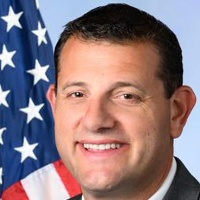
David Valadao
Representative
CA-22
The Human Trafficking Awareness Training Recognition Act of 2026 establishes the Blue Campaign Certification Program within the Department of Homeland Security. This program recognizes employers in high-risk industries that provide their employees with training to recognize and respond to human trafficking. Eligible employers will receive a public certificate of completion and be recognized in the Federal Register. The Act also mandates increased coordination for the DHS Blue Campaign with private sector, academic, and industry experts.
New Blue Campaign Certification Offers Federal Recognition for Employers Training Staff to Spot Human Trafficking by 2026.
The Human Trafficking Awareness Training Recognition Act of 2026 aims to turn everyday workplaces into a front line against exploitation. By early 2027, the Department of Homeland Security (DHS) will launch the Blue Campaign Certification Program, a voluntary initiative that awards official certificates to businesses that train their staff to recognize and report suspected human trafficking. If you work in an industry like hospitality, transportation, or retail—areas the bill calls "covered industries"—your employer could soon be displaying a federal seal of approval in the breakroom or front window to show they’ve stepped up.
The Badge of Honor
Under Section 2 of the bill, the Secretary of Homeland Security has one year to get this program off the ground. Employers who want the recognition must apply between January 31 and April 30 each year, detailing exactly how they are teaching their team to spot red flags. For a hotel clerk or a truck stop manager, this might mean learning how to identify subtle signs of coercion during a routine shift. If the DHS likes what they see, the business gets a certificate they can brag about for one year and a shout-out in the Federal Register. It’s a way for a local business owner to prove they aren't just selling products, but also looking out for the community's safety.
Paying to Participate
While the goal is noble, there is a literal price for admission. The bill allows the DHS to charge a "reasonable fee" to cover the costs of running the program. For a massive corporation, a few hundred or thousand dollars is a rounding error, but for a small independent business owner, these fees could determine whether they join the program or skip it. The bill is also strict about honesty: Section 2 makes it illegal to fake a certificate or display an expired one. This ensures that when you see that Blue Campaign logo at a business, it actually means the staff behind the counter have been trained recently.
Defining the Front Lines
One of the more interesting parts of this bill is the flexibility given to the government to decide who counts. The Secretary gets to define which "covered industries" have a high enough risk to qualify for the program. This means the impact could shift over time; one year it might focus heavily on construction and agriculture, and the next it could pivot to digital platforms or massage parlors. Additionally, the bill updates the Homeland Security Act of 2002 to force the existing Blue Campaign to work more closely with private sector experts and academics. The idea is to stop the government from working in a vacuum and instead use the real-world expertise of people already on the ground to make the training as effective as possible.