This act applies federal conflict-of-interest and financial disclosure rules to the President and Vice President, mandating divestiture of conflicting assets and annual ethics reviews.
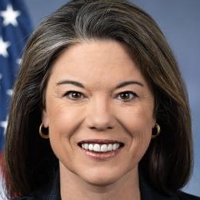
Angie Craig
Representative
MN-2
The Presidential Conflicts of Interest Accountability Act applies existing federal conflict-of-interest laws to the President and Vice President. It mandates comprehensive initial financial disclosures and requires the divestiture of any conflicting assets into a qualified blind trust. The Office of Government Ethics will conduct annual reviews, and enforcement mechanisms are established for non-compliance.
Presidential Conflicts of Interest Accountability Act Mandates Asset Divestiture and 3-Year Tax Disclosure for Executive Branch Leaders
For a long time, the President and Vice President have operated under a different set of rules than almost every other federal employee when it comes to personal finances. This bill changes that by officially adding the two highest offices in the land to the definition of "officer" and "employee" under 18 U.S.C. 208. In plain English, it makes it a legal violation for them to participate in government decisions that directly pad their own pockets. Within 30 days of taking the oath, they’d have to hand over a detailed map of their wealth to Congress and the Office of Government Ethics (OGE), including their tax returns from the last three years.
The Great Clean Out
The bill doesn't just ask for a list of assets; it requires action. If an official holds a stock, a property, or a business interest that looks like a conflict of interest or a prohibited foreign "emolument" (basically, a payment from a foreign government), they have to move it into a qualified blind trust. Once it’s there, a trustee has 30 days to sell it off and either reinvest the cash into something neutral or give the money back to the official. Think of it like a professional reset button—it ensures that when a President signs a bill affecting, say, the tech industry or oil prices, they don't have a personal stake in the outcome that could cloud their judgment.
Keeping Tabs and Enforcement
Transparency isn't a one-and-done deal here. The OGE is tasked with running an annual check-up to see if the President and Vice President are actually following the rules. They’ll issue a report to Congress every year confirming whether everything was divested properly. If things look fishy, the bill gives teeth to the rules: the U.S. Attorney General or any state attorney general can take the matter to court. If a judge finds probable cause that the rules were ignored, they can order the official to sell the assets at a fair market price. It’s a mechanism designed to ensure that if the internal ethics office can’t get compliance, the legal system can step in.
Real-World Stakes
While this mostly affects two people at a time, the ripple effect is for everyone else. For a small business owner or a tech worker, it means knowing that federal regulations aren't being skewed to benefit a specific hotel chain or software company owned by the person in the Oval Office. The bill is quite specific—it even covers the financial interests of spouses and dependent children to prevent "loophole" ownership. The main challenge will be the OGE’s 180-day window to write the specific regulations for how this all works, but the goal is clear: making sure the leaders of the country are working for your bottom line, not theirs.