The UBER Act establishes new English proficiency and operational requirements for drivers under federal contracts with ride-share and transportation companies.
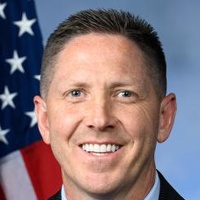
Josh Brecheen
Representative
OK-2
The UBER Act sets new minimum standards for drivers working under federal contracts with ride-share and mobility companies. These requirements mandate that drivers must be at least 21, possess specific driving qualifications, and demonstrate English proficiency, with an exception for deaf or hearing-impaired drivers using American Sign Language. Companies failing to certify driver compliance face a five-year ban from federal contracts.
UBER Act Mandates English Proficiency, Age, and Licensing for Federal Contract Ride-Share Drivers
Alright, let's talk about the UBER Act, officially the Understanding Basic English Requirements Act of 2026. This bill isn't about your personal ride to the airport, but it will affect the drivers picking up federal employees or fulfilling any federal contracts. Basically, if a ride-share or transportation company wants to work with the feds, their drivers are going to need to jump through a few new hoops.
New Rules for the Road Warriors
So, what are these new hoops? First off, any driver working under one of these federal contracts has to be at least 21 years old. No more fresh-out-of-high-school drivers for Uncle Sam's rides. Second, and this is where it gets a bit tricky, drivers need to be able to "read and speak English well enough to converse with the public, law enforcement, and other officials, understand highway traffic signs, respond to official inquiries, and fill out reports and records." That’s a mouthful, and it basically means you need to be pretty fluent. There's a carve-out, though: if you're deaf or hearing impaired and use American Sign Language, that English proficiency requirement doesn't apply to you. Drivers also need to prove they have the right experience or training to handle their vehicle safely, hold a valid driver's license from only one state or jurisdiction (no double-dipping!), and have passed a road test. These requirements, found in Section 2, aim to standardize who's behind the wheel for federal work.
What This Means for Drivers and Companies
For companies like Uber or Lyft looking to snag federal contracts, this means they'll have to certify that all their drivers meet these new standards. If they don't, or if they get caught being out of compliance, they're looking at a five-year ban from federal contracts. That's a pretty heavy penalty, so you can bet they'll be paying close attention. For drivers, especially those who might be newer to the country or for whom English isn't their first language, this could be a significant hurdle. While the bill aims for clarity and safety, that "speak English well enough" phrase in Section 2 is pretty subjective. What one person considers "well enough" another might not, which could lead to some inconsistent application. Imagine a driver who's perfectly capable and safe, but perhaps struggles with a specific idiom or a complex official inquiry – could that cost them a gig? It's a real concern for many who rely on ride-share work to make ends meet, especially when costs are already tight.
The Real-World Impact
On one hand, you could argue this bill makes sense for federal contracts. Ensuring drivers can communicate clearly with officials and understand signs seems like a basic safety measure. It could lead to a more standardized, perhaps safer, experience for federal employees using these services. On the other hand, for a driver who's been safely navigating city streets for years but isn't a native English speaker, this could suddenly close off a chunk of their potential income. It's not hard to picture a scenario where a skilled, experienced driver, who might be supporting a family, is suddenly deemed ineligible for certain work because their English isn't deemed "good enough" by a potentially arbitrary standard. While the ASL exception is a thoughtful inclusion, it highlights that communication isn't one-size-fits-all, and other forms of communication or disabilities might not be as directly addressed. This bill tries to set clear lines for federal work, but the way that English proficiency is measured could create some unexpected bumps in the road for a lot of working folks.