The WATCH Act mandates quarterly inspections and compliance certifications for foreign laboratories receiving U.S. federal funding for animal research.
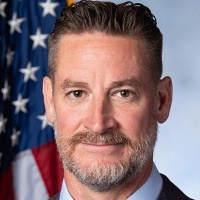
W. Steube
Representative
FL-17
The Worldwide Animal Testing Compliance and Harmonization (WATCH) Act of 2026 mandates quarterly inspections and certification for foreign laboratories receiving U.S. federal funding for animal research. The bill ensures these facilities adhere to established animal welfare standards, with provisions to suspend or revoke funding for those that fail to maintain compliance.
WATCH Act Mandates Quarterly Inspections for Foreign Labs Receiving U.S. Animal Research Funds
The Worldwide Animal Testing Compliance and Harmonization (WATCH) Act of 2026 is stepping in to close a major oversight gap in how our tax dollars are spent abroad. Currently, the National Institutes of Health (NIH) sends significant funding to international laboratories for animal research, but keeping tabs on those facilities has been a logistical challenge. This bill changes the game by requiring any foreign lab receiving federal funds to undergo mandatory quarterly inspections to ensure they meet the same animal welfare standards we expect here at home, specifically those outlined in the Public Health Service Act. If a lab doesn't pass muster, they don't just get a slap on the wrist; they face the suspension or total revocation of their NIH grants and contracts.
Global Standards, Local Receipts
Under Section 2, the bill requires the Secretary of Health and Human Services to set up a rigorous inspection process for any foreign facility with an 'Animal Welfare Assurance.' These inspections aren't just a quick walkthrough; they must specifically evaluate the operation of animal care committees and the accuracy of record-keeping. For the average person, this is about basic accountability. Think of it like a health inspector for a restaurant chain—just because the kitchen is in another country doesn't mean the standards for the food we’re paying for should drop. To keep things transparent, the Office of Laboratory Animal Welfare will be required to post compliance certificates online, so anyone from a software developer in Seattle to a teacher in Nashville can see exactly which labs are playing by the rules.
The Cost of Compliance
While the goal is to raise the bar for animal ethics, the rollout will likely create a significant administrative lift for foreign research institutions. These labs will now have to prep for four inspections a year, which means more paperwork and potentially higher overhead costs to maintain U.S.-level standards. For a researcher at a university in a developing nation, this could mean more time spent on compliance and less on the actual science. However, the bill does include a 'reasonable opportunity' for corrective action. This is a bit of a grey area—the text doesn't define exactly how long a lab has to fix a violation before their funding is pulled. This vagueness means the NIH Director has a lot of discretion, which could lead to some labs getting more leeway than others depending on how 'reasonable' is interpreted.
Navigating International Borders
The bill acknowledges that the U.S. can't just barge into foreign labs without permission. It mandates that the Secretary and the NIH Director coordinate with foreign governments and international organizations to respect local sovereignty while enforcing these rules. This starts 180 days after the bill becomes law. For those of us paying the bills, it’s a move toward ensuring that scientific progress doesn't come at the cost of ethical shortcuts just because the work is happening out of sight. It’s a straightforward trade: if you want U.S. federal funding for animal research, you have to open your doors and prove you’re doing it right.