This act establishes a federal crime for knowingly publishing the restricted personal information of special operations personnel or their families with the intent to threaten or incite violence against them.
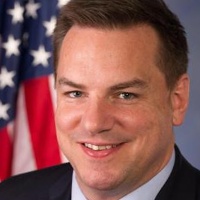
Richard Hudson
Representative
NC-9
The Special Operator Protection Act of 2026 establishes a new federal crime for knowingly making restricted personal information about special operations personnel or their families publicly available with the intent to threaten or incite violence. This law aims to safeguard covered persons—including special operations forces members and designated DoD personnel—from threats stemming from the unauthorized release of sensitive personal data. Violations carry significant penalties, including up to five years in prison, or life imprisonment if the act results in death or serious bodily injury.
New Law Cracks Down on Doxing Special Operators: Up to Life in Prison for Endangering Families
Alright, let's talk about the 'Special Operator Protection Act of 2026.' This bill is basically setting up a new federal crime to shield our special operations folks—think Navy SEALs, Army Rangers, that kind of crew—along with specific Department of Defense employees and federal law enforcement officers working with them, and crucially, their families. The big takeaway? If you intentionally share their private information online, and that information is then used to threaten or harm them, you're looking at some serious federal charges.
The 'What's What' of Who's Protected
So, who exactly are we talking about here? The bill defines a "covered person" pretty clearly. It's not just the special ops members themselves, but also DoD employees or Armed Forces members designated by the Secretary of Defense for "sensitive activities," and even federal law enforcement officers who are teamed up with special operations. And yes, their "immediate family" gets this protection too, which aligns with existing federal definitions.
Your Info, Their Safety
Now, what kind of information are we talking about? The bill calls it "restricted personal information." This isn't just any old public record. We're talking about things like their name linked to their job, a photo of them tied to their employment, or even a picture of their home address. It also covers their date of birth, Social Security number, home address, phone numbers, personal email, and biometric data. The key here is that this information has to be made publicly available.
The 'Intent' Clause: Why It Matters
Here’s where it gets serious: it's not just about sharing the info. The law targets those who do it with specific intent. You've got to be sharing this stuff either with the intent to threaten, intimidate, or incite a crime of violence against these covered individuals or their families, OR with the intent and knowledge that the information will be used to do just that. So, accidentally posting a picture of a house isn't the issue; it's the malicious intent behind it that triggers this law. This is about preventing doxing that escalates into real-world harm.
The Consequences: Fines and Hard Time
If someone violates this, the penalties are no joke. They could face fines, up to five years in prison, or both. But if that sharing of information actually leads to someone's death or serious bodily injury? We're talking about fines and potentially life in prison. That's a huge jump, showing how seriously this bill views the protection of these individuals and their families.
Real-World Ripple Effects
For the average person, this bill might not seem like it directly impacts your daily grind. But think about it this way: our special operators are often involved in highly sensitive, dangerous missions that keep us safe. Ensuring their families are protected from retaliation at home is a big deal for their morale and focus. Imagine being deployed overseas, knowing that someone back home could easily find and publish your family's address, putting them at risk. This law aims to create a significant deterrent against that kind of malicious act. It's about drawing a clear line in the sand: you mess with the safety of these folks and their loved ones, and there are severe federal consequences. It's a move to safeguard those who often operate in the shadows, ensuring their privacy and security remain intact, even when their work is anything but private.