This bill mandates annual reporting and allows for Inspector General review of public housing agencies under federal receivership or monitoring.
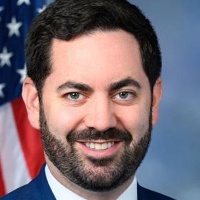
Michael Lawler
Representative
NY-17
This bill, the "Improving Public Housing Agency Accountability Act," establishes new annual reporting requirements for public housing agencies under federal monitoring. It also mandates that the HUD Inspector General conduct reviews and provide analyses to Congress upon request regarding the agency's compliance, oversight, and condition. The legislation aims to increase transparency and accountability for troubled public housing agencies.
New Bill Boosts Oversight for Struggling Public Housing, Demands Annual Reports and IG Reviews
Alright, let's cut through the legislative jargon and talk about something that actually impacts people's homes and communities: public housing. We've all heard stories, good and bad, about public housing agencies. Sometimes, things go sideways, and a federal monitor or a receiver steps in to try and fix it. That's where the new Improving Public Housing Agency Accountability Act comes in.
This bill is pretty straightforward: if a public housing agency (PHA) is under the thumb of a receiver or a federal monitor, they're now on the hook for some serious reporting. Specifically, by October 1st each year, they have to send a notice to the Secretary of Housing and Urban Development (HUD). This isn't just a quick email; it needs to confirm if that receiver or monitor is still around, when they started, and – if they even know – when this whole oversight gig is supposed to wrap up. Think of it as a mandatory annual check-in, ensuring someone is keeping tabs on who's running the show when things are rocky.
Keeping Tabs on the Fixers
Now, here's where the real oversight muscle flexes. Say things still feel off, or maybe Congress wants a closer look. The bill allows the House Financial Services Committee or the Senate Banking, Housing, and Urban Affairs Committee to hit up the Inspector General (IG) of HUD. When they do, the IG has 180 days to deliver a deep-dive analysis. This isn't just a surface-level glance; they’re digging into everything. They'll check the PHA's compliance with its HUD agreements, see what the receiver or monitor has actually done, and even scrutinize the physical condition of the housing itself—are the roofs leaking? Is the heating working? Are health and safety rules being followed? It’s about ensuring that the people brought in to fix things are actually doing their job, and that residents are living in safe conditions.
Uncovering Waste and Fraud
Beyond just checking the boxes on compliance, the IG's review also has a sharp eye for misconduct. They'll be looking into any allegations of waste, fraud, abuse, or federal law violations by agency employees or contractors. This is huge. For folks living in these communities, knowing that there’s a mechanism to investigate potential wrongdoing can be a big deal. It’s about making sure taxpayer money is being used wisely and that residents aren't being shortchanged by shady practices. The IG will also throw in any other relevant info they find and, importantly, make recommendations on how to improve the agency’s compliance or boost oversight of the receiver or monitor.
What This Means for You
So, what does this mean if you or someone you know lives in public housing, especially one that's been struggling? It means more transparency and a clearer path for accountability. If an agency is under special management, there will be annual public-facing reports on that management. And if there are ongoing issues, congressional committees now have a direct tool to trigger a thorough, independent investigation. It’s about ensuring that when a public housing agency hits a rough patch, the process to get it back on track is clear, monitored, and ultimately, serves the people it’s meant to house.