This bill establishes a required investigation by the HUD Inspector General into the New York City Housing Authority's compliance, physical conditions, and potential misconduct, with findings to be reported to Congress.
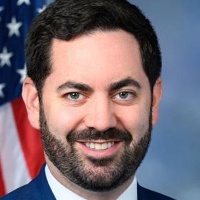
Michael Lawler
Representative
NY-17
The Accountability for NYCHA Act of 2026 mandates an investigation into the New York City Housing Authority (NYCHA) due to persistent failures to provide safe and decent housing. The HUD Inspector General must review NYCHA's compliance with existing agreements, the performance of the court-appointed Monitor, and overall housing conditions. This investigation will culminate in a report to Congress detailing findings and recommending actions to compel NYCHA to resolve its long-standing deficiencies.
New 'Accountability for NYCHA Act' Demands Federal Investigation into Housing Authority's Failures by HUD Inspector General
Alright, let's talk about something hitting close to home for a lot of folks in New York City. We’re diving into the 'Accountability for NYCHA Act of 2026,' and if you or someone you know lives in public housing, this one’s a big deal.
This bill basically says, “Enough is enough!” It's putting the Department of Housing and Urban Development’s (HUD) Inspector General on the case to launch a full-blown investigation into the New York City Housing Authority (NYCHA). The goal? Figure out why NYCHA has been struggling so hard to provide decent, safe housing, and what needs to be done about it. Think of it as a mandated deep-dive, with a report due back to Congress within 180 days of the bill becoming law. That report isn't just a summary; it's supposed to lay out what HUD can do to force NYCHA to actually fix things.
The Long Road to Accountability
NYCHA is huge, housing over half a million New Yorkers. But the bill points out a pretty grim history. Back in 2018, the feds sued NYCHA for not keeping up with lead-based paint safety, and for failing on basic stuff like heat, elevators, mold, and pests. Even worse, NYCHA admitted to misleading HUD with false statements. This led to a 2019 agreement and a court-appointed Monitor to oversee improvements. But here’s the kicker: the bill states that, as of its enactment, NYCHA still hasn’t fully complied. In fact, the Monitor’s term is being pushed out another five years, to 2029, because the problems persist. And if that wasn't enough, 70 NYCHA employees were hit with federal bribery charges just this past February. So, this bill is essentially Congress saying, 'We can’t wait five more years for residents to get basic living conditions.'
What the Investigation Will Dig Into
So, what exactly will the Inspector General be poking around? A few key things, as laid out in Section 3 of the bill:
- Compliance Check: They’ll see how well NYCHA has actually stuck to that 2019 agreement. Where are they failing, and where have they made progress?
- Monitor's Report Card: The investigation will also look at the court-appointed Monitor. Were there gaps in their oversight? What worked, what didn't?
- Ground-Level Reality: This is crucial. The Inspector General will survey the actual physical conditions of the housing. This means checking out the mold, the broken elevators, the heating issues — the stuff that directly impacts residents' daily lives.
- Waste, Fraud, and Abuse: They’ll be on the hunt for any shenanigans, like waste, fraud, abuse, or federal law violations by NYCHA employees or contractors. Given the recent bribery charges, this part is particularly timely.
- Anything Else That Pops Up: The Inspector General also has the leeway to investigate 'any other priority issues and areas' they deem necessary. This gives them a pretty broad mandate to follow the evidence wherever it leads.
What This Means for You
If you're a NYCHA resident, this bill is a direct push for better living conditions. It's Congress demanding answers and action after years of documented failures and broken promises. The hope is that this investigation will shine a bright light on the problems and force HUD to step in more forcefully. For NYCHA management and employees, and any contractors working with them, this means a serious period of scrutiny. Any waste, fraud, or abuse is likely to be uncovered, potentially leading to repercussions. The bill is a clear signal that the federal government is no longer content with the status quo at NYCHA.
While the bill doesn't guarantee immediate fixes, it's a significant step toward getting concrete, actionable information into the hands of those who can demand change. It’s about making sure that the half-million people living in NYCHA properties aren't left waiting indefinitely for safe and decent housing.