The Enhancing Skilled Nursing Facilities Act expands the authority of nurse practitioners, physician assistants, and clinical nurse specialists to perform essential care and certification duties in skilled nursing facilities under Medicare and Medicaid.
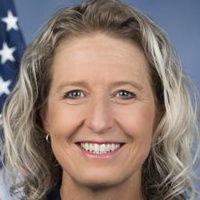
Jennifer Kiggans
Representative
VA-2
The Enhancing Skilled Nursing Facilities Act aims to improve care delivery by expanding the roles of nurse practitioners, physician assistants, and clinical nurse specialists within skilled nursing and nursing facilities. By authorizing these professionals to perform duties previously restricted to physicians—such as certifying care and supervising services—the bill streamlines administrative processes under Medicare and Medicaid. These updates ensure that residents have broader access to qualified healthcare providers while maintaining compliance with state law.
Nursing Home Care Gets a Modern Upgrade: New Bill Empowers NPs and PAs to Lead Patient Care
The Enhancing Skilled Nursing Facilities Act is designed to cut through the medical red tape that often slows down care for seniors and patients in recovery. By amending the Social Security Act, this bill officially expands the authority of Nurse Practitioners (NPs), Physician Assistants (PAs), and Clinical Nurse Specialists (CNSs) within skilled nursing facilities. For anyone who has ever waited days for a doctor to sign off on a simple therapy change for a loved one, this is a major shift. The bill allows these advanced practice clinicians to certify patient needs, supervise care plans, and communicate resident rights—tasks previously reserved strictly for physicians. Under Section 1819(b), the law would recognize these professionals as primary supervisors of a resident’s health, provided they are working within the scope of their specific state laws.
More Hands on Deck
In the real world, this means a more agile healthcare team for the 1.3 million Americans living in nursing homes. Imagine a patient, let’s call him Arthur, who is recovering from hip surgery. Currently, Arthur might have to wait for a visiting physician to stop by once a week to certify that he still needs physical therapy under Medicare Part B. Under this bill, the NP who sees Arthur every single morning could handle that certification (Section 1902(a)(44)) on the spot. By streamlining the paperwork and allowing the people actually on the floor to make decisions, the bill aims to prevent delays in treatment that can happen when a facility is playing phone tag with an off-site doctor’s office.
Cutting the Paperwork Loop
The legislation also tackles the administrative side of Medicare and Medicaid to make sure the billing matches the care. It updates Section 1842(b) to include NPs and PAs in the claims processing system, essentially acknowledging that they are the ones doing the heavy lifting in many facilities. For families, this could mean smoother communication. If you are trying to understand your mother’s visitation rights or her specific care plan, the bill ensures that an NP or PA has the legal standing to provide those official updates (Section 1819(c)). It’s a common-sense update that reflects how modern clinics actually run, moving away from a doctor-only model that hasn't kept pace with the reality of specialized nursing.
The State-by-State Catch
While the bill opens doors at the federal level, it doesn't create a free-for-all. Every provision in this Act is tied to the phrase "working in accordance with State law." This means the actual impact depends on where you live. If you’re in a state with restrictive practice laws for NPs, this bill won't suddenly grant them new powers; it simply ensures that if the state says they can do it, the federal government won't stand in the way with outdated Medicare rules. The challenge will be the potential for a "zip code lottery" of care quality, where facilities in one state are much more efficient than those in a neighboring state due to varying local regulations. However, by removing federal roadblocks, the bill sets the stage for a more responsive and less bureaucratic nursing home experience.