The Student Visa Integrity Act of 2026 establishes new fees, increases penalties for visa fraud, mandates accreditation for institutions enrolling foreign students, and imposes stricter tracking and reporting requirements for schools and students to enhance program integrity.
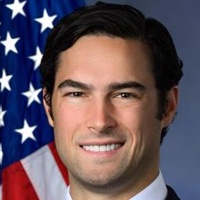
Brandon Gill
Representative
TX-26
The Student Visa Integrity Act of 2026 establishes new fees and stricter requirements for academic institutions to enhance the integrity and security of the student visa program. The bill mandates accreditation for schools enrolling foreign students, increases criminal penalties for immigration document fraud, and imposes new reporting and disclosure rules, including those related to foreign government influence. Furthermore, it modernizes the SEVIS tracking system and sets specific limitations on online study and admission periods for certain visa holders.
Student Visa Integrity Act: New $100 Fees, Accreditation Mandates, and Strict Limits on Online Learning for International Students
The Student Visa Integrity Act of 2026 is a massive overhaul of how the U.S. handles international students, focusing heavily on security and strict oversight. At its core, the bill introduces a mandatory $100 fee for every F, J, and M visa applicant, which will be funneled into a new 'Student Visa Integrity Fund' to modernize the government’s tracking systems and beef up fraud detection. It also cranks up the pressure on schools, requiring them to be fully accredited and to report exactly when students pay their tuition. For students, the days of 'open-ended' stays are over; the bill mandates specific end dates on all admission documents, generally capped at four years or the length of the program, whichever is shorter.
The End of the 'Forever' Student Status
One of the biggest shifts is the move away from 'Duration of Status.' Currently, many students can stay as long as they are making progress, but this bill requires a hard end date on paperwork (Section 16). If you are a student from a country with high overstay rates (over 10%), you’ll be capped at two-year increments and forced to do in-person interviews for any extensions. This adds a significant layer of bureaucracy for both the students and the university international offices trying to keep everyone compliant. Furthermore, the bill effectively locks students into their majors; Section 9 explicitly states that foreign students cannot change their program of study or intended major once it’s reported on their I-20 form. This means if a student discovers a passion for biology after a semester of chemistry, they might be out of luck.
Digital Classrooms and Global Tensions
For the 'digital native' generation, the bill’s stance on online learning is a major pivot. It limits online or distance credits to just 10% of a student's total course load per session and for the entire degree (Section 17). If a class is more than 50% online, the whole thing counts as an 'online class.' This could be a headache for modern universities that have moved toward hybrid models. On the geopolitical front, the bill is even more direct: it flatly prohibits citizens from 'adversarial countries'—including China, Russia, Iran, and Venezuela—from attending U.S. colleges or universities (Section 15). It also blocks students from several Middle Eastern nations from studying 'sensitive' subjects like nuclear engineering or flight training, citing national security concerns.
New Rules for Bosses and Schools
If you’re a local business owner who hires international students, the paperwork just got heavier. Section 9 requires all employers of foreign students to be in good standing with E-Verify and to report any termination or resignation within 48 hours. Employers must also swear under penalty of perjury that the student isn't replacing a U.S. worker and is being paid a 'commensurate' wage. For the schools themselves, the stakes are high: failing to report a student’s failure to show up within 30 days of the program start date can lead to $1,000 fines or even the loss of their ability to host international students entirely. The bill also gives the Department of Homeland Security broad power to collect 'any other information' they deem necessary, which raises some eyebrows regarding the privacy of student data.