This bill, the PROTECT Act, repeals Section 230 of the Communications Act of 1934, removing legal protections for online platforms regarding user-posted content.
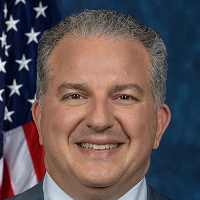
Jimmy Patronis
Representative
FL-1
The Promoting Responsible Online Technology and Ensuring Consumer Trust Act (PROTECT Act) focuses on fundamentally changing online liability by repealing Section 230 of the Communications Act. This action removes the existing legal protections that shield online platforms from liability for content posted by their users. The bill also includes necessary technical amendments across various federal laws to reflect this significant change.
PROTECT Act Repeals Section 230: Online Platforms Face New Liability Landscape Immediately
Alright, let's talk about something that could seriously shake up your online world: the 'Promoting Responsible Online Technology and Ensuring Consumer Trust Act,' or the PROTECT Act for short. This bill has one massive, headline-grabbing move: it completely repeals Section 230 of the Communications Act of 1934. If that sounds like bureaucratic mumbo-jumbo, stick with me, because this is a big deal for anyone who uses the internet, which is, well, everyone.
The End of an Era for Online Immunity
So, what's Section 230? For nearly three decades, it's been the legal shield for online platforms like Facebook, X (formerly Twitter), Reddit, YouTube, and even smaller forums or review sites. Basically, it’s the reason these platforms generally aren't held legally responsible for the stuff you post, whether it’s a funny meme, a scathing review, or, unfortunately, something truly nasty or defamatory. It allowed them to host user content without constantly fearing a lawsuit over every single post. This bill, in Section 2, wipes that clean, effective the day it becomes law. It’s like taking the safety net away from a tightrope walker, and that tightrope walker is pretty much every website that lets you comment, review, or share anything.
What This Means for Your Favorite Sites
Imagine you run a local online community forum for your town, or maybe you manage the social media for your small business. Under the PROTECT Act, if someone posts something libelous or illegal on your platform, you could suddenly be on the hook, legally speaking. This isn't just about the big tech giants; it hits anyone who hosts user-generated content. For a small business owner, the increased legal risk and potential costs of monitoring every single comment could be overwhelming. They might decide it’s just not worth the hassle and shut down comments or forums altogether.
The Ripple Effect on Your Online Life
If platforms are suddenly liable for everything posted, they've got two main options to avoid getting sued into oblivion. First, they could go into hyper-moderation mode, deleting anything that even looks like it could cause trouble. This could mean your innocent but sarcastic comment gets flagged, or a legitimate discussion about a controversial topic gets removed just to be safe. For users, this could feel like a massive chill on free expression, making online spaces feel more sterile and less spontaneous. Second, they might just limit user interaction significantly, cutting back on features like comments, reviews, or even direct messaging, to reduce their exposure. Think about how much harder it would be to find honest reviews for a local restaurant if Yelp or Google Reviews suddenly faced massive liability for every negative comment.
The Cost of Accountability
The bill’s title suggests it’s about promoting responsible technology and ensuring consumer trust. The idea is that if platforms are more accountable, they'll do a better job of policing harmful content. And yes, there's an argument to be made that some platforms haven't been proactive enough. However, the cost of this increased accountability is likely to be borne by everyone. Platforms will need more lawyers, more content moderators, and more sophisticated (and expensive) AI to scan for problematic posts. These costs will inevitably be passed on to users through higher subscription fees, more ads, or simply a less robust, more restricted online experience. For small startups, this could be a death knell, making it nearly impossible to compete with established players who have the resources to absorb these new legal risks. This bill isn't just tweaking a few lines of code; it's fundamentally reshaping the legal foundation of the internet as we know it, and the real-world impacts for all of us could be significant.