This Act removes location-based restrictions for hospital mortgage insurance eligibility and mandates a report on the program's expansion effectiveness.
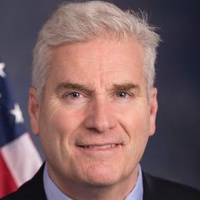
Tom Emmer
Representative
MN-6
The Securing Facilities for Mental Health Services Act aims to improve access to mental health care by ensuring parity in mortgage insurance for hospitals. This legislation removes location-based restrictions that previously limited federal mortgage insurance eligibility for certain mental health services. Furthermore, it requires the Department of Housing and Urban Development (HUD) to report on the effectiveness of these expanded mortgage insurance provisions.
Federal Mortgage Insurance Opens Up for Hospitals: What the 'Securing Facilities' Act Does for Healthcare Financing
The “Securing Facilities for Mental Health Services Act” might sound like it’s only about mental health, but its main job is actually a quiet, technical change to how hospitals get financing. Essentially, this bill amends the National Housing Act to make it easier for certain hospitals to qualify for federal mortgage insurance—specifically, the kind offered under Section 242 of the Act. This federal backing is huge when hospitals need to build new wings, modernize equipment, or undertake major construction projects, as it makes loans much more attractive to lenders.
Cutting the Red Tape for Facility Loans
What’s the actual change? The bill removes a specific, somewhat obscure requirement that prevented a hospital from getting this federal insurance if it wasn't located in a state where it was legal for the hospital to provide “certain services” (Sec. 2). Think of it like this: the federal government previously had a box on the application tied to a specific state-level regulatory check. This bill scraps that box. By removing this location-based restriction, the goal is to open up access to federally backed financing for more hospitals that might have been previously excluded based on state-specific regulations that didn't align perfectly with the federal program's rules. This change kicks in nine months after the bill becomes law, giving the relevant agencies time to adjust.
The Real-World Impact: Who Benefits?
If you’re not a hospital CFO, why should you care? Because when hospitals can access cheaper, more reliable financing, they are more likely to invest in facilities—and that means better access to services for you. This is especially relevant for facilities looking to expand or upgrade, potentially in areas that have struggled to secure private financing due to perceived risk or state regulatory hurdles. For example, a community hospital needing to build a new emergency room wing or modernize its mental health facilities might find it easier to secure the necessary capital once this federal insurance is on the table.
However, there’s a flip side to removing a regulatory check. While the specific reason for the original “location” requirement isn't detailed here, these types of checks often exist to ensure federal funds aren't used in areas where facilities might be oversupplied or where state oversight is lacking. By removing this safeguard (Sec. 2), the program gains flexibility but potentially takes on more risk. If the federal program takes on higher-risk loans, it could eventually impact the financial health of the overall insurance fund, which is something to watch.
Mandated Oversight: HUD Has Homework
To keep an eye on this expansion, the bill includes a check-in mechanism. It requires the Department of Housing and Urban Development (HUD), which runs this insurance program, to submit a report to Congress within two years of enactment (Sec. 3). This report must assess the results and effectiveness of expanding the hospital mortgage insurance program. This is a smart move; it ensures that Congress gets a formal, data-driven assessment of whether removing the location restriction actually helped hospitals without unduly increasing risk to the federal program. It’s the government equivalent of setting a calendar reminder to check if the new software update actually fixed the problem or just created new ones.