This bill establishes new federal requirements and grant opportunities for colleges and universities to implement evidence-based programs for student and employee alcohol and substance misuse prevention, treatment, and recovery services.
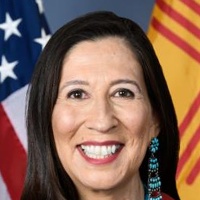
Teresa Leger Fernandez
Representative
NM-3
The Campus Prevention and Recovery Services for Students Act of 2026 strengthens federal requirements for colleges and universities to implement evidence-based programs addressing student alcohol and substance misuse. It expands grant opportunities to support recovery services, mental health integration, and overdose prevention on campus. Institutions participating in federal aid programs must certify they have an active prevention program compliant with these new standards.
College Campuses to Boost Prevention, Recovery Services for Student Substance Misuse by 2028
Alright, let's talk about what's brewing for college campuses with the Campus Prevention and Recovery Services for Students Act of 2026. This bill is essentially a big push to get colleges and universities to step up their game in preventing alcohol and substance misuse among students and staff, and crucially, to provide better support for those already struggling.
What's Actually Changing?
So, here’s the gist: if this bill becomes law, every college and university that participates in federal student aid programs will need to have a solid, evidence-based program in place to tackle alcohol and substance misuse. We're talking about more than just a pamphlet; they’ll need to outline all the counseling, treatment, recovery, and reentry services available. Think of it like your employer having a clear HR policy – but for substance use on campus. They'll also have to clearly state their policies on alcohol and drug possession and use, and do a check-up every two years to see if their program is actually working, looking at things like policy violations, overdoses, and fatalities.
Uncle Sam Steps In to Help
It's not just about telling colleges what to do; the feds are offering a hand. The Department of Education, working with Health and Human Services, will be tasked with figuring out and sharing best practices for these prevention programs within about a year of the bill passing. This means colleges won’t be flying blind, trying to invent the wheel. They’ll get guidance on what actually works, and how to coordinate with state agencies that already handle substance use prevention programs. This could be a big deal for smaller schools or those with fewer resources, giving them a roadmap to better support their students.
Expanding the Safety Net
One of the most impactful parts of this bill is how it expands grant funding. Right now, there are grants for prevention and education. This bill broadens that scope significantly. Colleges and community groups could get money for things like recovery support services and peer counseling for students dealing with substance use disorder. It also pushes for better integration between campus health services, mental health support, and substance use disorder treatment – basically, making sure all those services talk to each other. They can even use funds for re-entry assistance for students who’ve hit academic bumps due to substance use, and for preventing overdoses, including after a disaster. Imagine a student on academic probation due to addiction getting the support they need to get back on track, rather than just being shown the door. That's the kind of real-world impact we're talking about.
The Nitty-Gritty on Compliance and Timing
Colleges will have to certify that they’ve got an active prevention program that meets these new standards, and it needs to be accessible to everyone on campus. They're only considered out of compliance if they knowingly and willfully fail to implement such a program, which sets a pretty high bar for enforcement. The changes to these programs and the certification requirements kick in two years after the bill becomes law. So, institutions will have a decent runway to get everything in order. The Secretary of Education will also be reporting to Congress on how all this is rolling out, giving us a check-in on what’s working and what best practices are emerging from the grant recipients.