This bill prohibits U.S. funding for the United Nations or its agencies if they illegally expel or suspend Israel's membership.
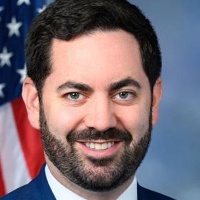
Michael Lawler
Representative
NY-17
The Stand with Israel Act of 2026 prohibits U.S. funding for participation in the United Nations or its specialized agencies if Israel is illegally expelled or has its membership rights suspended. This measure stops all U.S. contributions, both voluntary and assessed, to the affected UN body. Funding will remain restricted until the illegal action against Israel is reversed.
New 'Stand with Israel Act' Threatens UN Funding Over 'Illegal' Expulsion Claims
Alright, let's talk about something that could seriously shake up how the U.S. deals with the United Nations. We've got a bill on the table, the “Stand with Israel Act of 2026,” and it’s pretty straightforward in its aim: if the UN, or any of its agencies, decides to 'illegally expel' Israel or mess with its membership rights, the U.S. government is cutting off the money hose. We're talking all U.S. funds—from the State Department to any other federal agency—no more contributions, grants, or payments, whether they're voluntary or assessed. This isn't a temporary timeout; the funding stays frozen until that 'illegal action' is reversed. So, if you're wondering what this means, it’s basically putting a financial tripwire under the UN based on its actions toward Israel.
The UN’s Wallet on a Tightrope
This bill, specifically Section 2, is looking to amend existing law (Section 115(b) of the Department of State Authorization Act, Fiscal Years 1984 and 1985) to create this new funding restriction. The big kicker here is the phrase 'illegally expels Israel or suspends its right to membership.' Now, 'illegal' in an international context can be a pretty squishy term, open to a lot of interpretation. What one country sees as an illegal act, another might see as a legitimate decision. This vagueness means the U.S. could potentially pull funding based on a wide range of UN actions, not just a formal, universally recognized expulsion. For instance, imagine a UN agency passes a resolution that’s highly critical of Israel, and the U.S. government decides that this constitutes an 'illegal' suspension of rights. Boom, funding gone. This could leave a lot of UN operations, from humanitarian aid to peacekeeping missions, suddenly short-changed, affecting people far beyond the political debate.
Who Feels the Pinch?
If this bill passes and the U.S. does cut off funds, the immediate impact would hit the United Nations and its many specialized agencies hard. Think about the World Food Programme, UNICEF, or the World Health Organization—these are organizations that rely heavily on member contributions, including a significant chunk from the U.S., to do their work. For folks in developing nations who depend on these programs for food, medicine, or disaster relief, a sudden funding cut could mean a real crisis. For example, a farmer in a drought-stricken region relying on UN-backed agricultural support might see that aid disappear. On the flip side, U.S. taxpayers might see a shift in how their money is spent, or rather, not spent, on international bodies. However, if the U.S. then has to step in with bilateral aid to fill gaps left by a defunded UN, it might just be shifting costs around. It also puts U.S. diplomatic influence within these global bodies on shaky ground, potentially isolating us on the world stage. It’s a move that could send ripples across a lot of different sectors, from global health to international development, all hinging on a potentially subjective interpretation of what constitutes an 'illegal' action against Israel.