This Act prohibits the use of federal funds for acquiring, influencing, or increasing U.S. presence in Greenland.
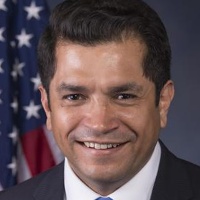
Jimmy Gomez
Representative
CA-34
The Greenland Sovereignty Protection Act prohibits the use of federal funds for any attempt by the U.S. government to acquire, annex, or influence the self-determination of Greenland. This legislation strictly forbids increasing U.S. military presence or financial investment beyond current levels. Any exception to these prohibitions requires a new, explicit act of Congress.
New Bill Bans U.S. Federal Funds for Buying or Influencing Greenland, Freezing Military Presence at Current Levels
The newly introduced Greenland Sovereignty Protection Act is straightforward: it puts a hard stop on the U.S. government spending taxpayer money to buy, annex, or otherwise acquire Greenland. It also slams the brakes on any federal effort to run an influence campaign—whether public or secret—to mess with the self-determination of the people of Greenland (SEC. 2).
Think of this as a policy moat around Greenland’s independence. For those of us juggling mortgages and grocery bills, this bill matters because it restricts how the federal government can use our tax dollars abroad. Specifically, it freezes the U.S. military presence and financial investment in Greenland at the levels that existed the day before this law passed. No more, no less—unless Congress explicitly says so later. This means federal agencies that might have been eyeing strategic expansion or increased funding in the Arctic are now blocked from doing so unilaterally (SEC. 2).
The 'No Shopping' Clause for Uncle Sam
The core of the bill is a strict prohibition on using federal funds for any activity that supports the “invasion, annexation, purchase, or other acquisition of Greenland.” This provision is a direct response to past discussions about the U.S. potentially buying the island. For the average person, this means your tax money won't be used to fund a real-estate deal for a massive chunk of the Arctic. It locks down the status quo, ensuring that decisions about Greenland’s future rest solely with the Greenlandic people, not with U.S. foreign policy ambitions.
Freezing the Footprint
Beyond acquisition, the bill also mandates a standstill on U.S. activities. No federal funds can be used to increase the presence of the U.S. Armed Forces or boost U.S. funding or financial investment in Greenland relative to current levels (SEC. 2). This is critical for agencies like the Department of Defense, which might seek to expand their strategic footprint in the Arctic region. For example, any plan to upgrade a military base or launch a major new scientific research initiative that requires increased federal funding would be immediately blocked by this law.
While this provision is excellent for protecting sovereignty, there’s a practical wrinkle: it prohibits any increase in funding. This could potentially complicate things if a sudden, non-political need arises—say, a major natural disaster requiring rapid, increased U.S. assistance or funding for a joint non-strategic project. Such necessary cooperation could be hindered if the required funds exceed the pre-existing baseline.
The Waiver: A Legislative High Bar
What if the U.S. genuinely needs to increase its presence or funding in the future? The bill sets an extremely high bar for any exceptions. The prohibition can only be waived if a new law is enacted that explicitly authorizes the specific activity, explicitly waives this prohibition, and includes a citation to this Act (SEC. 2). This isn't just a memo or a budget line item; it requires Congress to pass a whole new piece of legislation specifically to override this rule. This ensures maximum legislative scrutiny and transparency before any major shift in policy or spending regarding Greenland can occur, offering a significant check on executive power in this area.