The **Governing for the People Act** makes numerous changes across federal law, including extending film tax credits, criminalizing fraud against veterans, funding wildfire recovery, promoting AI literacy, increasing oversight of China-Iran transactions, mandating coverage for lung cancer screenings, and updating House administrative rules.
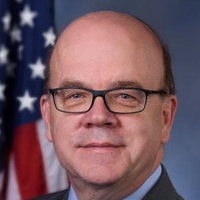
James "Jim" McGovern
Representative
MA-2
The Governing for the People Act is a comprehensive bill addressing multiple areas, including extending tax incentives for film production, establishing a new federal crime to combat fraud against veterans, and ensuring full federal funding for wildfire repairs caused by Forest Service activities. It also creates grants to promote AI literacy, mandates reports on China-Iran financial ties, improves lung cancer screening coverage, and updates operational procedures for the House of Representatives.
New Bill Boosts Film Tax Breaks to $40M, Mandates Free Lung Cancer Screens, and Funds AI Education
Alright, let's talk about some serious legislative multi-tasking. This bill, officially titled the “Governing for the People Act,” is basically a grab bag of changes touching everything from how our government operates to what kind of movies get made and how we protect our veterans. It's a lot, so let's break down what actually matters for you.
Government Transparency Gets a Tune-Up
First up, the feds are trying to pull back the curtain a bit on how regulations get made. This bill says agencies have to post all public comments online in a searchable format, so you can actually see what people are saying about proposed rules. Even bigger, if they cite a scientific study in their rulemaking, they have to spill the beans on who funded that research. If they don't, they can't use the study. Think of it like knowing who paid for that “independent” report your boss is quoting – suddenly, you might look at it a little differently. Plus, there's going to be a public database of all meetings between agencies and outside groups about pending rules. This is a big deal for anyone who's ever wondered who's whispering in the government's ear when new policies are being crafted. The idea is to make sure agencies are prioritizing the public interest, not just special interests, but how they define "public interest" could still be a bit fuzzy.
Lights, Camera, Tax Break!
Good news for anyone who enjoys a good movie or TV show, or works in the industry. This bill is extending a tax deduction for film, TV, and live theatrical productions until 2031. Even better, it's bumping up the spending limit for productions to qualify for this deduction from $15 million to $30 million. If they film in a low-income or distressed area, that limit jumps even higher, from $20 million to $40 million. We're talking serious cash that could bring more productions, and jobs, to your town. Plus, these limits will adjust for inflation starting in 2027, so the incentive doesn't lose its punch over time. This could mean more local jobs for electricians, caterers, and even just local businesses selling supplies.
Protecting Our Vets from Scammers
This one’s pretty straightforward and a welcome change. The bill creates a brand-new federal crime specifically for scamming veterans out of their benefits. We're talking fines and up to five years in prison for anyone who knowingly tries to defraud a veteran or their family. It’s a dedicated legal hammer against those who prey on people who've served our country, and it covers everything from disability payments to housing assistance. This means a stronger legal shield for veterans against financial predators.
Who Pays for Wildfire Cleanup? The Feds, If They Started It.
Here’s a big one for communities hit by wildfires. If the U.S. Forest Service is responsible for causing a wildland fire (think prescribed burns gone wrong, or other management activities), this bill says the federal government is on the hook for all the repair costs. Not only that, but the Secretary of Agriculture can waive the usual requirement for states or local communities to chip in their own money for recovery projects. This could be a game-changer for towns trying to rebuild after a federal-caused fire, potentially speeding up recovery and taking a huge financial load off local taxpayers. The catch is defining what exactly constitutes "direct and indirect damages" and if the Forest Service is truly at fault, which could lead to some bureaucratic wrestling matches.
AI Literacy for Everyone
Artificial intelligence is everywhere, and this bill wants to make sure we all understand it better. It sets up a grant program through the National Science Foundation to fund local AI education programs, especially for marginalized communities, low-income folks, and rural areas. So, if you've been scratching your head about ChatGPT or what AI actually does, there might be a class coming to your community. On top of that, federal agencies like the Departments of Labor, Commerce, and Education have to figure out how to weave AI literacy into their existing programs, from job training to small business support. The goal is to help everyone understand how AI works, its impact, and how to use it ethically.
Lung Cancer Screening: No More Out-of-Pocket Costs
This is a big one for health. The bill mandates that all health insurance plans must cover annual lung cancer screenings for eligible individuals, and here’s the kicker: no co-pays, no deductibles, no out-of-pocket costs at all. It also bans insurance companies from requiring prior authorizations or other bureaucratic hoops that often delay or prevent these screenings. If you’re between 50 and 80 and your doctor says you’re at increased risk, this means getting screened just got a whole lot easier and cheaper. This could lead to earlier detection and better outcomes, but it does shift the cost directly onto insurance providers and government health programs, which could indirectly affect premiums or overall healthcare spending down the line.
Making Disaster Recovery Less Disastrous
Ever wonder why it takes so long to rebuild after a hurricane or wildfire? This bill is trying to fix that. It requires FEMA and HUD to implement specific recommendations from a 2022 Government Accountability Office (GAO) report aimed at improving federal disaster recovery. The report, aptly titled "Disaster Recovery: Actions Needed to Improve the Federal Approach," laid out key changes to make the process smoother and more efficient. So, in theory, this could mean less red tape and faster rebuilding for communities hit by major disasters.
House Payroll and Warning Systems Get Upgrades
For those working on Capitol Hill, the House of Representatives is looking to modernize its payroll system, potentially moving from monthly paychecks to more frequent ones, like twice a month. It’s a small but significant change that brings congressional staff pay closer to what many of us experience in the private sector. Separately, the bill transfers the federal grant program for upgrading public warning systems to FEMA. This means FEMA will be in charge of getting those funds out the door faster and will also be researching how to make emergency alerts more accessible and reliable for everyone, which is crucial when every second counts.
Oversight, Ethics, and Budgeting
Finally, the bill wraps up with a few crucial housekeeping items. Every House committee will have to hold a hearing within a year to see how this law is actually being implemented, ensuring some public accountability. There's also a new formal code of conduct for the House, specifically banning sexual relationships between supervisors and their staff (unless they’re married, of course) and explicitly prohibiting sexual harassment. This aims to create a clearer, safer workplace on the Hill. Lastly, it sets up rules for how the bill's budgetary impact is calculated, making sure it plays by the “pay-as-you-go” rules to keep federal spending in check.
So, from Hollywood to your local community, and from federal regulations to disaster relief, this bill is casting a wide net. While many provisions aim for greater transparency and public benefit, keep an eye on how some of these broad directives, like defining "public interest" or "significant financial transactions," get interpreted and implemented in the real world.