The SOAR Act grants the U.S. Navy Flight Demonstration Squadron near Pensacola, Florida, special authority to enter into contracts in advance of appropriations for flight demonstration or training events.
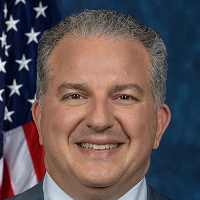
Jimmy Patronis
Representative
FL-1
The SOAR Act establishes special contracting authority for the United States Navy Flight Demonstration Squadron near Pensacola, Florida. This allows the Secretary of the Navy to enter into contracts and incur obligations in advance of appropriations for the Squadron's flight demonstration or training events. This provision bypasses standard federal funding restrictions to ensure operational flexibility.
New Navy Bill Exempts Blue Angels Spending from Key Federal Budget Rules
The Special Operating Authority for Rehearsal Act, or the SOAR Act, is short, but it packs a significant punch regarding how one specific military unit handles its money. This bill grants the Secretary of the Navy a brand-new, special contracting authority solely for the United States Navy Flight Demonstration Squadron (the Blue Angels) near Pensacola, Florida. Essentially, it allows the Navy to sign contracts and commit funds for the Squadron’s flight demonstrations and training events before the money has been officially appropriated by Congress.
The Fine Print: Bypassing the Budget Guardrails
What makes this authority so unusual is that it explicitly bypasses several core federal laws designed to keep the government from spending money it doesn't actually have. Specifically, Section 2 grants this power "without regard to the standard federal funding restrictions in 31 U.S.C. sections 1341, 1342, 1349, 1350, 1351, and subchapter II of chapter 15." These sections are the backbone of federal fiscal responsibility—they are the Anti-Deficiency Act and related statutes that prevent government agencies from incurring debt or making commitments beyond their available budget. If you or your business signed a contract without having the money to pay for it, that would be a serious problem; these laws are supposed to prevent the federal government from doing the same.
What This Means for the Blue Angels and Taxpayers
For the Blue Angels, this is a massive boost in operational flexibility. Imagine trying to book a major venue or secure a specialized contract for a performance months in advance, but you can’t sign the paperwork until Congress finishes its appropriations process, which is often delayed. This new authority removes that bottleneck, allowing the Squadron to secure better deals or lock in dates faster, potentially leading to smoother event execution and better training schedules. That’s the benefit.
The flip side is the risk this introduces for taxpayers. By waiving the Anti-Deficiency Act, the SOAR Act allows the Navy to commit funds for the Blue Angels without the money being in the bank yet. If the underlying appropriations don't materialize later, or if the spending exceeds what Congress eventually approves, this creates a mandated debt that future Congresses—and ultimately, taxpayers—will be forced to cover. While the bill aims for efficiency, it sacrifices a fundamental layer of fiscal oversight, opening the door for unbudgeted expenditures simply because the usual guardrails have been taken down for this specific purpose. It’s like giving someone a credit card with no limit and telling them they don't have to worry about the balance until next year.