The Mental Health TALK SAFE Act of 2026 establishes federal standards and requirements for prescribing controlled substances via telehealth, particularly for mental health treatment, while streamlining practitioner registration and cross-state licensure for psychiatrists.
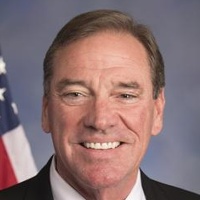
Neal Dunn
Representative
FL-2
The Mental Health TALK SAFE Act of 2026 amends federal law to permanently allow certain controlled substances to be prescribed via telehealth evaluations, establishing specific requirements for practitioners and telehealth entities. It also streamlines DEA registration for providers prescribing via telemedicine and creates a framework for psychiatrists to provide telehealth services across state lines if licensure requirements are substantially similar. This Act preempts state laws that would otherwise prohibit or restrict these telehealth prescribing and practice allowances.
New Mental Health Act Allows Controlled Substance Prescriptions After Single Telehealth Visit, Cracks Down on Subscription Models
The new Mental Health TALK SAFE Act of 2026 is a major shakeup for how mental health medications—specifically controlled substances like certain ADHD or anxiety meds—can be prescribed via remote care. The core change? It allows a qualified telehealth practitioner to issue a valid prescription for an “approved mental health controlled substance” (non-narcotic Schedule II-V drugs) after just one telehealth evaluation with the patient. This means the federal requirement for an initial in-person visit is essentially gone for these specific medications, taking effect immediately upon enactment.
This bill is clearly aimed at boosting access to mental healthcare, especially for folks who live far from a specialist or can't easily take time off work for an in-person visit. If you’re a busy professional or a parent in a rural area, this could be a game changer, potentially cutting down the wait time and logistical hurdles to get the treatment you need for conditions like ADHD or depression. However, this shift away from the initial in-person requirement for controlled substances is a significant move that reduces clinical oversight at the start of treatment, a trade-off between access and safety that will need close monitoring.
The Fine Print: What Telehealth Companies Must Do
While the bill makes prescribing easier, it imposes incredibly strict, detailed rules on the companies—called “Telehealth entities”—that employ the prescribers. This isn't just a free-for-all. To qualify, these entities must meet a laundry list of structural requirements that are clearly designed to curb the practices of some large, venture-backed telehealth startups. For example, a Telehealth entity cannot charge patients using recurring subscription payment arrangements for medications or care. They also have to ensure that no more than 50% of patient charges are paid directly out-of-pocket, meaning they must rely heavily on insurance or government payers.
Furthermore, these entities must maintain specific staffing ratios: at least 25% of their providers must be full-time employees (working 30+ hours a week), and advanced practice nurses cannot make up more than two-thirds of the total practitioners. They must also hire separate, full-time Chief Compliance, Chief Clinical Quality, and Chief Medical Officers. If you work for a smaller telehealth provider, these requirements could be a massive operational hurdle, potentially concentrating the market among larger, well-funded organizations that can afford the compliance structure.
The Pharmacist Penalty Box
One provision that hits hard at the healthcare supply chain involves pharmacists. Pharmacists are often the last line of defense against inappropriate prescribing, but this bill puts them in a tough spot. It prohibits a pharmacist from refusing to fill a prescription issued under these new telehealth rules based solely on the fact that it came from a telehealth evaluation. Before refusing, they must first attempt to contact the patient and the prescriber to validate the prescription. If they violate this rule, they face a civil penalty of up to $25,000 per violation. For the pharmacist juggling a dozen prescriptions and trying to exercise clinical judgment, this creates immense pressure to fill prescriptions they might otherwise question, effectively shifting the risk and liability onto the pharmacy counter.
Telehealth Goes Interstate
Another major change streamlines practice across state lines, which is crucial for telehealth. The bill allows a psychiatrist licensed and insured in one state (the “Primary State”) to treat patients in another state (the “Secondary State”) via telehealth, provided the two states have “substantially similar licensure” requirements. If you live in a state with a shortage of specialized psychiatrists, this provision instantly expands your access pool. For the psychiatrist, this simplifies the complex, state-by-state licensing maze. Additionally, DEA registration is simplified: providers working for a Telehealth entity can use that company’s address as their principal place of business and don't need separate DEA registrations in every state where they prescribe via telehealth. This is a huge win for administrative efficiency, allowing providers to focus more on patient care and less on paperwork.