This bill establishes an advisory committee within USCIS to consult with and make recommendations to the Director regarding improvements to the EB-5 Regional Center Program.
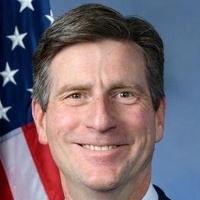
Greg Stanton
Representative
AZ-4
This bill establishes the EB-5 Regional Center Program Advisory Committee within USCIS to advise the agency on improving the EB-5 Regional Center Program. The committee will consist of up to 35 members representing various government and EB-5 stakeholders. Its duties include making recommendations, submitting periodic and annual reports, and briefing Congress on program matters until the program's related benefits are fully adjudicated.
USCIS Proposes Advisory Committee for EB-5 Investor Program: What the New Oversight Means for Developers and Investors
This legislation establishes the EB-5 Regional Center Program Advisory Committee within U.S. Citizenship and Immigration Services (USCIS). Think of it as creating a formal, high-level policy review board specifically for the EB-5 investor visa program. The bill mandates that the Secretary of Homeland Security form this committee, which will advise and make recommendations directly to the USCIS Director on how to improve the program. The committee’s core mission is to develop recommendations for program improvements, focusing on administrative efficiency, fraud prevention, and job creation metrics, but it is explicitly barred from advising on specific individual cases or petitions.
The EB-5 Program Gets a Policy Pit Crew
For those unfamiliar, the EB-5 program grants green cards to foreign nationals who invest a significant amount of capital (usually $800,000 or more) into U.S. commercial enterprises that create at least 10 full-time jobs. This bill formalizes the feedback loop for this massive economic development engine. The committee is designed to be temporary; it will be terminated once USCIS has finished adjudicating all benefits filed under the relevant EB-5 sections of the Immigration and Nationality Act. Essentially, it’s a dedicated task force meant to smooth out the transition and administration of the program under the reforms enacted in 2022.
Who Gets a Seat at the Table?
The committee will have no more than 35 members, and the composition is highly specific. It’s not just policy wonks; it’s a mix of federal, state, local, and Tribal government reps, plus industry stakeholders. The bill mandates that regional centers—the entities that manage the investment projects—must be represented. Specifically, they require at least two representatives from each of seven categories, including High Unemployment Areas, Rural Areas, Infrastructure projects, and the four U.S. Census Regions. This structure ensures that advice coming into USCIS isn't just focused on one type of development (say, big city projects) but also includes those trying to make projects work in rural or high-unemployment zones.
Breaking Down the Workload
To manage the complexity, the committee must establish specialized subcommittees that meet at least quarterly. These include:
- Administration: This group will tackle the nuts and bolts—agency staffing, processing times (which are often years long and a major pain point for investors and developers), stakeholder communication, and fraud prevention.
- Impact: This subcommittee focuses on the real-world results: job creation, job retention, and capital investment metrics. This is crucial for verifying that the program is actually delivering on its economic promise.
- Policy: This group dives into legislative interpretation, USCIS policies, and the tricky issues of financial structuring of investments and source of funds—the rules that make sure the money is clean.
The Real-World Catch: Unpaid Service
While the bill aims for robust oversight, it includes a practical detail that could affect who actually participates: members do not receive pay or benefits for their service. This means the time commitment—quarterly meetings for the main committee, plus quarterly subcommittee meetings, and preparing an annual report—is entirely volunteer work. For a busy regional center executive or a county economic development officer, this could be a significant barrier. The risk here is that the committee could end up disproportionately representing larger regional centers or government entities that can afford to dedicate staff time, potentially limiting the diversity of perspectives from smaller or newer players in the EB-5 market.