This bill establishes a federally funded oral history project at the Library of Congress to collect and preserve personal accounts of the events of January 6, 2021.
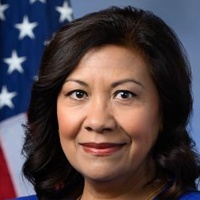
Norma Torres
Representative
CA-35
This bill establishes the January 6th Oral History Project, directing the Librarian of Congress to collect video and audio recordings of personal histories from those who participated in or observed the events at the U.S. Capitol on January 6, 2021. The project will be administered through the American Folklife Center, ensuring the collected testimonials are preserved and made accessible to the public. The Act also authorizes appropriations and allows the Library to accept private donations to support the program.
Library of Congress Launches January 6th Oral History Project: $500K Authorized to Preserve Eyewitness Accounts
If you’ve ever wondered how history gets written, this bill gives us a direct look. The January 6th Oral History Project Act directs the Librarian of Congress to set up a massive oral history effort specifically focused on the events of January 6, 2021, at the U.S. Capitol. This isn't just about collecting dusty papers; the goal is to capture video and audio recordings of personal histories and testimonials from everyone who was there—Members of Congress, staff, Capitol Police, journalists, and other witnesses (SEC. 1, SEC. 2).
The Official Version of History
The project will be run by the American Folklife Center, which specializes in preserving cultural traditions and narratives. Their job is to collect these firsthand accounts and make them public through the Library of Congress’s National Digital Library. The bill is clear that the Director must prioritize collecting testimonials from individuals whose accounts are “most at risk of being lost” or whose perspectives are “essential to understanding the full scope of the events” (SEC. 2). Essentially, they’re trying to lock down these stories before memories fade or people are no longer available to share them.
What Does 'Publicly Accessible' Really Mean?
For the average person, this means that eventually, we should have a searchable, official archive of primary source material—the raw stories—about a major event in modern American history. This is huge for researchers, journalists, and anyone trying to understand the day beyond the headlines. However, the bill specifies that the public will access the “final edited interviews” (SEC. 1). This is where the policy meets the real world: the selection and editing process is entirely up to the Library of Congress, which holds significant power in shaping the official narrative that gets preserved and published. The criteria for what makes an account 'essential' or how the interviews are edited could significantly affect the collection's overall tone and balance, even if done with the best intentions.
The Funding and Fundraising
To get this project off the ground, the bill authorizes Congress to appropriate $500,000 for fiscal year 2027, with additional necessary funds authorized for subsequent years (SEC. 4). But here’s the interesting part: the Librarian of Congress is also authorized to actively solicit and accept private donations to support the program (SEC. 3). All donated money must go into a separate gift account dedicated solely to this project. While this sounds like a smart way to supplement taxpayer dollars, accepting private funding for a project documenting a highly charged political event introduces a potential complication. Even with a separate account, the source of those private funds could raise questions about whether donor interests might influence the project’s focus or scope, despite the Library’s professional oversight.