This bill phases out the H-1B visa program over ten years, restricts eligible occupations during that time, and ends Medicare funding for residency programs training non-citizen physicians.
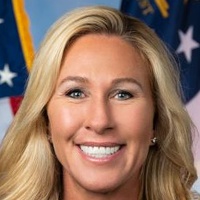
Marjorie Greene
Representative
GA-14
The "End H-1B Now Act" proposes to eliminate the H-1B visa program through a ten-year phase-out, starting in fiscal year 2026 and ending in 2036. During this phase-out, H-1B eligibility will be restricted only to physicians, surgeons, and nurses. Additionally, the bill prohibits Medicare funding for graduate medical education programs that train non-citizen physicians.
End H-1B Now Act Phases Out Skilled Work Visas by 2036 and Cuts Non-Citizen Medical Residency Funding.
The 'End H-1B Now Act' introduces a sweeping overhaul of the U.S. labor market by setting a hard expiration date on the H-1B visa program. Starting in fiscal year 2026, the bill slashes the annual cap for new H-1B visas to just 10,000, further reducing that number by 1,000 every year until it hits zero in 2036. This isn't just a numbers game; the bill also fundamentally changes who can apply during this ten-year wind-down. Under Section 2, the definition of a 'specialty occupation' is narrowed exclusively to physicians, surgeons, and nurses. This means the tech developers, engineers, and fashion models who currently use this program would be ineligible for new visas as soon as the phase-out begins.
The Tech and Trade Ripple Effect
For those working in software hubs or specialized manufacturing, this bill represents a significant shift in how companies find talent. By narrowing the H-1B scope solely to medical professionals, the legislation effectively cuts off the primary pipeline for international tech talent. If you’re a project manager at a startup or a developer in a coding firm, you might see companies struggling to fill niche roles that were previously held by H-1B workers. While the goal is to prioritize domestic hiring, the immediate reality for many businesses could be a scramble for specialized skills that aren't always available in the local applicant pool. This could lead to higher costs for consumers or slower innovation cycles as firms adjust to a strictly domestic labor market.
A New Prescription for Healthcare
While the bill keeps the door cracked open for medical professionals during the phase-out, it adds a major financial hurdle for hospitals. Section 3 of the bill prohibits Medicare from funding graduate medical education (residency) programs that train non-citizen physicians. This change takes effect for cost reporting periods starting on or after the law’s enactment. In real-world terms, if you live in a rural area or visit a teaching hospital, you might feel the impact of this funding cut. Many hospitals rely on Medicare dollars to support their residency slots; without that cash for non-citizen doctors, hospitals may have to choose between finding new funding sources or reducing the number of doctors they train, potentially worsening existing physician shortages.
The Long-Term Outlook for Workers and Patients
The bill is clear and direct about its timeline, giving industries a decade to pivot, but the transition could be rocky for those on both sides of the stethoscope. For foreign skilled workers currently in the U.S. or planning to come here, the path essentially disappears by 2036. For patients and employers, the bill forces a reliance on domestic training and hiring systems that may not be ready to fill the gap. By removing the 'safety valve' of international talent, the legislation bets heavily on the idea that the domestic workforce can scale up quickly enough to meet the demands of a high-tech economy and an aging population without the help of the H-1B program.