This bill mandates that voters present government photo identification and proof of U.S. citizenship to receive a ballot in federal elections, beginning with the November 2026 general election.
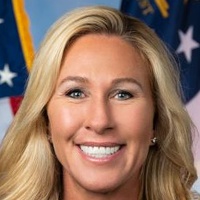
Marjorie Greene
Representative
GA-14
This Act amends federal election law to mandate that voters present both government photo identification and proof of U.S. citizenship when voting in federal elections, beginning in November 2026. These requirements apply to both in-person and mail-in voting procedures. The bill also establishes new federal criminal penalties for assisting noncitizens to vote or providing ballots to those who fail to meet the new identification standards.
New Federal Voting Rules Require Proof of Citizenship and Photo ID Starting November 2026
A new proposal aims to fundamentally change how you check in at the polls. Starting with the 2026 general election, this bill would require every voter in a federal election to present both a government-issued photo ID and specific legal proof of U.S. citizenship. It is not just about showing your driver's license anymore; you would need to prove you are a citizen using documents like a passport, a certified birth certificate, or naturalization papers. This applies whether you are walking into a polling place or sending your ballot through the mail. If you are voting by mail, you would have to include physical copies of these documents inside your envelope for your vote to count.
The Paperwork Path
Under this bill, the definition of "proof" is very specific. While a U.S. passport covers both photo ID and citizenship, many people rely on separate documents. If you use a birth certificate and a state ID, the names on both must match exactly. For anyone who has changed their name due to marriage, divorce, or a court order, the bill requires you to provide that legal paper trail—like a marriage certificate—to bridge the gap between your ID and your citizenship record. For a busy professional who changed their name a decade ago or a senior citizen who hasn't seen their original birth certificate in years, this adds a significant administrative hurdle to the voting process.
Provisional Safety Nets and Real-World Friction
If you show up to vote without the right papers, the bill allows you to cast a "provisional ballot." However, there is a catch: that ballot only gets counted if local election officials can verify your citizenship afterward. The bill is somewhat vague on exactly how officials perform this verification, which could lead to different rules depending on where you live. For a college student living away from home or a construction worker who moves frequently for jobs, tracking down a certified birth certificate with a raised seal might be a costly and time-consuming task that stands between them and the ballot box.
New Rules for the Help Desk
The bill also turns up the heat on the people running the elections. It introduces new federal criminal penalties for election workers who give a ballot to someone without the proper ID, or for anyone who provides "material assistance" to a noncitizen attempting to vote. While the goal is to tighten security and ensure only eligible citizens participate, these penalties could make it more stressful for the volunteers and local clerks who manage our elections. It creates a high-stakes environment where a simple clerical error or a misunderstanding of a complex ID document could potentially lead to criminal charges.