This bill strengthens the development mandate of the U.S. International Development Finance Corporation by establishing a dedicated Chief Development Officer to focus on international development policy and project execution.
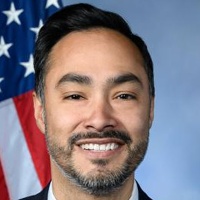
Joaquin Castro
Representative
TX-20
This bill, the United States International Development Corporation Chief Development Officer Act, strengthens the development mandate of the U.S. International Development Finance Corporation (DFC). It establishes a new Chief Development Officer role, appointed by the CEO, to focus specifically on international development policy and impact. This officer will coordinate development efforts across the DFC and with other federal agencies to ensure investments advance U.S. development interests.
New Bill Formalizes DFC's 'Development Czar' Role to Prioritize Global Aid and Investment
The U.S. International Development Corporation Chief Development Officer Act is all about strengthening the development arm of the U.S. International Development Finance Corporation (DFC). Think of the DFC as the U.S. government’s investment bank for the developing world, funding everything from clean energy projects to infrastructure in countries where private capital usually won't go.
This legislation focuses entirely on formalizing and expanding the power of one specific executive: the Chief Development Officer (CDO). The bill amends the existing law (the BUILD Act of 2018) to ensure the CDO isn’t just a figurehead but a central player in how the DFC makes its investment decisions. It requires the DFC’s CEO to appoint someone with deep expertise in international development and finance to this role.
The Balancing Act: Development vs. National Security
For most people, the DFC’s work feels distant, but its projects often influence global supply chains, stability, and the cost of goods. The core mission of the DFC is to foster development, but it also serves U.S. foreign policy. This bill makes the CDO the official policy advisor on international development and mandates that they coordinate within the DFC to ensure that development goals are considered "alongside foreign policy and national security goals" (Sec. 2).
This is the part that requires a closer look. While it’s good that development gets a seat at the table, the bill creates a potential tension. If the U.S. needs to fund a strategic port in a politically sensitive area for national security reasons, but that project has low development impact for local communities, the CDO is now tasked with balancing those competing interests. The bill doesn't specify which goal wins in a conflict, leaving the door open for national security priorities to potentially overshadow genuine development needs, depending on the administration’s interpretation.
The CDO’s New Job Description: The Development Gatekeeper
The CDO is essentially becoming the DFC’s gatekeeper for development impact. Their new duties are extensive, covering everything from internal management to external coordination. They must manage the teams responsible for structuring, monitoring, and evaluating transactions specifically for their development impact. This means the CDO will be the one signing off on whether a $50 million investment in, say, a rural electrification project actually hits its targets for helping local populations.
Furthermore, the CDO is responsible for interagency coordination, meaning they will be the DFC’s representative in meetings with other federal agencies like USAID or the State Department. This aims to streamline development efforts so the DFC isn't funding a project that another agency is already working on, or that conflicts with existing U.S. aid programs. For the DFC, this means clearer lines of authority and a more systematic approach to ensuring their investments actually move the needle on global development, rather than just serving as geopolitical tools.