This Act imposes sanctions on Salvadoran officials and entities involved in corruption or human rights abuses, restricts U.S. financial support through international institutions, and requires a report on the government's use of cryptocurrency.
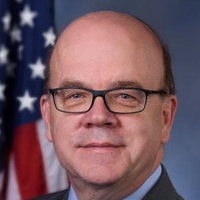
James "Jim" McGovern
Representative
MA-2
The El Salvador Accountability Act of 2025 mandates sanctions, including asset blocking and travel bans, against senior Salvadoran officials and others engaged in corruption or gross human rights violations. The bill also prohibits most U.S. financial support to the Government of El Salvador through international institutions and blocks direct Congressional funding. Furthermore, it requires detailed reporting on sanctioned individuals and an examination of the government's use of cryptocurrency for potential corruption.
New Act Mandates Sanctions on El Salvador Officials, Blocks U.S. and International Aid Funds
The El Salvador Accountability Act of 2025 is a serious piece of foreign policy legislation that essentially puts the U.S. government on a path to financially isolating the Government of El Salvador. The short version: This bill mandates significant sanctions on specific high-ranking Salvadoran officials and makes it nearly impossible for the U.S. to send aid money or support loans to the country’s government.
Who Gets the Financial Freeze?
This Act doesn't mess around with general threats; it names names and positions. It requires the President to impose property-blocking sanctions and travel bans on anyone determined to have engaged in significant corruption or gross human rights violations in El Salvador. But here’s the kicker: it automatically targets the President, Vice President, and key ministers—including Foreign Relations, Defense, Economy, Finance, and Justice—plus the Attorney General and the head of the Central Reserve Bank (SEC. 3). For these officials, it means any assets they hold in the U.S. or through U.S. financial institutions get frozen, and they are immediately barred from entering the country. If you’re a U.S. bank, you’re now prohibited from doing business or making loans to these individuals.
Cutting Off the Financial Lifelines
Beyond the individual sanctions, the bill aims to cut off official government funding streams. First, it prohibits the U.S. from supporting most loans or financial assistance to El Salvador through international financial institutions (like the World Bank or IMF). The U.S. Treasury Secretary is directed to tell U.S. representatives at these institutions to actively vote against and work to suspend any new or existing non-humanitarian loans (SEC. 4). Second, and perhaps most broadly, it prohibits all funds authorized by Congress from going to the Government of El Salvador (SEC. 6). This is a near-total financial halt on official U.S. funding.
What does this mean in the real world? While humanitarian aid is carved out as an exception, the broad prohibition on assistance could starve government programs that rely on international support, potentially impacting everything from infrastructure projects to public health initiatives, which ultimately affects the average Salvadoran citizen. If the government loses access to international loans for major projects, the burden of those services often falls back on domestic resources or simply goes unfulfilled.
The Crypto Corruption Deep Dive
One of the most modern and interesting elements of this bill is the focus on digital currency. The Act requires the Secretary of State and Treasury to submit a detailed report within 90 days examining how the Salvadoran government might be using Bitcoin and other cryptocurrencies for corruption, graft, and sanctions evasion (SEC. 5). This report must list the estimated amount of money used to buy crypto, the exchanges used, and the addresses of the digital wallets where the government's Bitcoin is held. This provision signals a clear intent to understand and potentially regulate how foreign governments use decentralized finance, especially when U.S. sanctions are involved.
A Long Road to Relief
If sanctions are imposed, they are not easily lifted. The bill mandates that these restrictions remain in place until the President certifies to Congress that the Government of El Salvador is no longer committing gross human rights violations and has stopped any schemes to deprive U.S. individuals of their rights. Crucially, the President cannot even attempt to make this certification until at least four years after the law is enacted (SEC. 3). This built-in delay means that even if the government makes immediate policy changes, the financial and travel sanctions are locked in for a minimum term, reflecting a deep skepticism regarding the current government’s willingness to change course.