This Act imposes visa and entry sanctions on foreign individuals involved in providing gender transition care to minors who are U.S. persons.
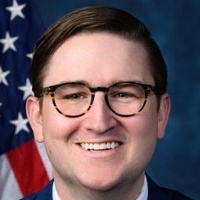
Addison McDowell
Representative
NC-6
This Act imposes visa and entry bans on foreign individuals who provide gender transition care to U.S. minors. Sanctions target foreign physicians, associated medical institutions, and members of specific transgender health organizations involved in these procedures. The law defines prohibited care as "chemical or surgical mutilation" intended to alter a person's biological sex.
Proposed Act Bans Visas for Foreign Doctors Providing Gender Care to U.S. Minors
The “Protecting Children from Foreign Mutilation Act” is a bill that takes a highly specific—and aggressive—approach to limiting medical care for minors. In short, it mandates that the U.S. government impose visa and entry bans on foreign individuals who provide what the bill defines as “chemical or surgical mutilation” to U.S. persons under 18 years old. This is a policy that uses immigration law to enforce a specific medical policy preference abroad.
Defining 'Mutilation' and Targeting Professionals
This bill doesn't pull punches with its definitions. The term "chemical or surgical mutilation" is explicitly defined to include the use of puberty blockers, sex hormones (like estrogen or testosterone), and surgical procedures aimed at altering a minor's physical appearance or sexual organs to change their sex. Crucially, the bill defines "Sex" as an "immutable biological classification... determined at conception." It makes exceptions only for certain medical emergencies, congenital anomalies, and, notably, for "detransition treatment," which is defined as treatment that stops or reverses the effects of a prior intervention.
The real-world consequence of these definitions is the direct targeting of specific medical professionals. The President must impose sanctions—meaning visa and entry bans—on any foreign person who facilitates this care for a U.S. minor. This includes licensed physicians, owners of clinics or hospitals involved in the care, and, perhaps most controversially, any foreign person who is a member of the World Professional Association for Transgender Health (WPATH). This last point is a major red flag, as it targets membership in a specific international professional medical association, regardless of whether that member has treated a U.S. minor.
The Impact on Access and International Relations
For families with minors seeking gender-affirming care, this bill drastically limits options. If a U.S. minor and their parents travel abroad to seek care—perhaps because it is unavailable or restricted in their home state—the foreign doctor, nurse, clinic owner, or even pharmacist involved in that care could be permanently banned from entering the United States. This effectively puts the U.S. government into the business of policing medical decisions made by American families on foreign soil by threatening the livelihood and travel ability of the foreign providers.
The bill also creates a reporting mechanism, requiring the Secretary of State to establish procedures for individuals to submit information about foreign persons who may qualify for these sanctions. This could create a chilling effect among international medical professionals who treat patients from the U.S., regardless of the quality of care provided. While the bill does include limited exceptions—such as for whistleblowers who provide information about other sanctionable entities—the core mechanism is about restricting the movement of international doctors based on the care they provide to U.S. minors.
Ultimately, this legislation is less about border security and more about using the power of the U.S. visa system to enforce a specific, highly charged domestic policy position in the international sphere. It grants the executive branch significant authority to determine who is sanctioned, potentially impacting the ability of entire medical organizations to participate in international conferences or collaborate with U.S. institutions.