This bill extends the availability and limits for certain federal student loans for graduate and professional students at health professions schools located near shortage or underserved areas until July 1, 2030.
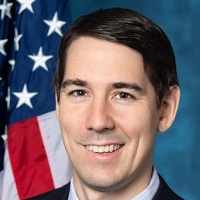
Josh Harder
Representative
CA-9
The Protecting Health Care Workforce Pipelines Act amends the Higher Education Act to extend the availability of Federal Direct Unsubsidized Stafford Loans for graduate and professional students at certain health professions schools. This extension pushes key loan termination and limit dates from 2026 to 2030. The affected schools must be located near designated health professional shortage areas or medically underserved communities.
New Act Extends Student Loan Deadlines for Health Students Near Underserved Areas Until 2030
The “Protecting Health Care Workforce Pipelines Act” is a targeted move to keep the financial path clear for future doctors, nurses, and other health professionals. Simply put, this bill takes two critical deadlines related to federal student loans and pushes them back by four years.
Specifically, the bill changes the expiration date for making Federal Direct Unsubsidized Stafford Loans to graduate and professional students from July 1, 2026, to July 1, 2030. It also delays the date when new annual and aggregate loan limits for those same loans would kick in, moving that date to 2030 as well. This provides four extra years of certainty for students planning their financing for advanced degrees in healthcare.
The Fine Print: Who Gets the Extension?
This isn't a blanket extension for every grad student. The bill is highly targeted, focusing on students at what it calls “covered institutions.” A covered institution must be a health professions or nursing school that is located within 100 miles of an area designated as a Health Professional Shortage Area (HPSA) or a medically underserved community. This is where the policy gets its teeth.
If you are a student currently planning to enter medical school, nursing school, or another health program, and that school is near a community struggling to find enough practitioners—think rural clinics or inner-city hospitals—this bill is designed to stabilize your funding options. For example, a student attending a university hospital program 50 miles outside a designated rural HPSA can now plan their four years of schooling knowing these federal loan options won't disappear in 2026.
Why This Matters for the Rest of Us
This legislation is less about student finance and more about ensuring that the pipeline of healthcare workers doesn't dry up, especially in places where access to care is already tough. When a community is designated an HPSA, it means they have too few primary care providers, dentists, or mental health professionals. The goal here is to make it easier for students to afford the education that will allow them to serve those areas.
By extending the loan authority and keeping the current loan limits in place for these specific schools, the bill provides stability to the institutions that are actively training the next generation of providers for high-need areas. It’s a quiet, administrative fix, but it has a massive real-world impact: stabilizing the financial footing for students who will eventually staff your local clinic or hospital, particularly if you live outside a major metropolitan area. It’s a direct response to the reality that we need more medical professionals, and they need reliable ways to pay for their very expensive education.