This Act establishes the Veterans Economic Opportunity and Transition Administration within the Department of Veterans Affairs to centralize and improve the management of veteran education, housing, and employment programs.
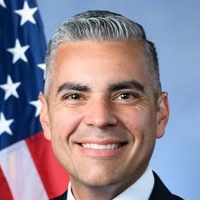
Juan Ciscomani
Representative
AZ-6
The Establishing the Veterans Economic Opportunity and Transition Administration Act of 2025 creates a new administration within the Department of Veterans Affairs dedicated to managing veteran education, housing, and employment programs. Led by a Senate-confirmed Under Secretary, this new body aims to streamline economic and transition services for veterans, their dependents, and survivors. The Act establishes a formal transition process, including rigorous certification requirements and annual reporting to Congress, to ensure service continuity.
VA Overhaul Creates New Economic Opportunity Administration by 2027 to Fast-Track Veteran Jobs and Housing
The Veterans Economic Opportunity and Transition Administration Act of 2025 is essentially a massive organizational chart reshuffle inside the Department of Veterans Affairs. Starting October 1, 2027, the VA will spin off its economic programs—think GI Bill benefits, home loans, and job training—into their own dedicated branch. Instead of these programs being buried under the massive umbrella of the Veterans Benefits Administration, they will be led by a new, Senate-confirmed Under Secretary who reports directly to the Secretary of Veterans Affairs. The goal is simple: give the programs that help veterans build a life after service their own budget, leadership, and accountability metrics.
A Dedicated Lane for Success
Currently, the VA handles everything from disability compensation to home loans. This bill pulls the 'economic' pieces out of the pile to ensure they don't get overshadowed by medical or disability claims. Under Section 2, the new Administration will take over vocational rehab, educational assistance, the Transition Assistance Program (TAP), and housing loans. For a veteran trying to use their GI Bill to pivot careers or a spouse looking for education benefits, this means there is now a specific office whose entire job is to make those transitions smoother. To keep things honest, the bill requires an annual report to Congress detailing exactly how many claims were processed, how long they took, and—crucially—how many 'successful outcomes' were actually achieved (Section 2).
Quality Control and the Staffing Puzzle
One of the smartest parts of this bill is the 'safety valve' in Section 4. The VA Secretary can’t actually move these services over to the new branch until they certify to Congress that the transition won't hurt the quality of service veterans receive. This certification must happen between April and September of 2027. However, there is a potential bottleneck to watch: for the first two years (2028-2029), the bill caps the total number of full-time employees across both the old benefits branch and this new economic branch at 31,401. If the number of veterans seeking help spikes during those years, that staffing limit could lead to longer wait times, even with the new streamlined structure.
Picking the Right Leaders
Because this new Under Secretary will be managing massive IT systems and billions in benefits, the bill sets high bars for who gets the job. Section 3 requires that the President’s appointee must have a proven track record in both information technology and large-scale program administration. To find this person, a special commission will be formed, including representatives from the private sector—like mortgage finance and education experts—and actual veterans. This ensures that the person running your housing loan program actually understands how the modern real estate market works, rather than just being a political appointment.